Procession of the Mysteries of Cassano all’Ionio
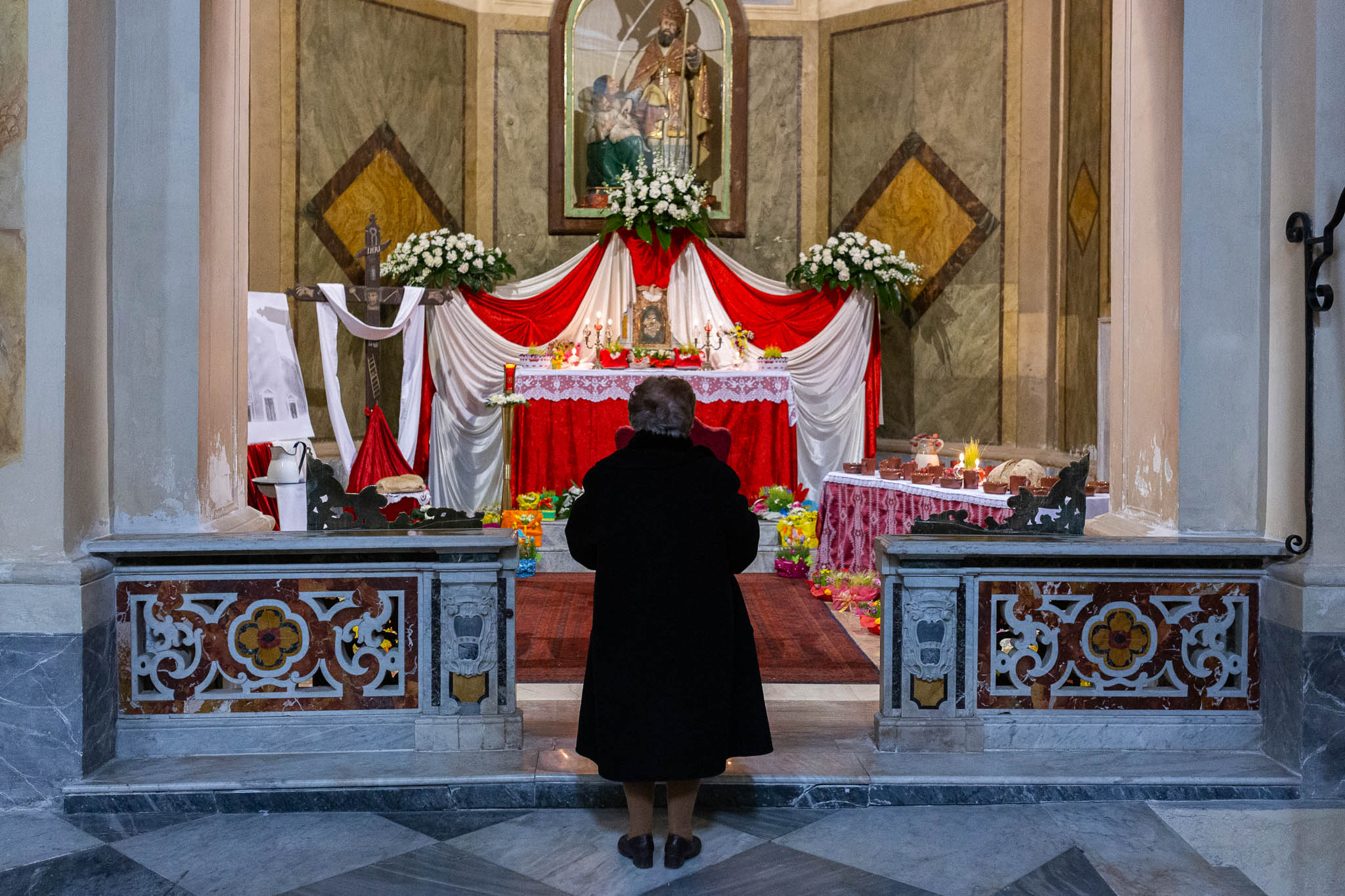
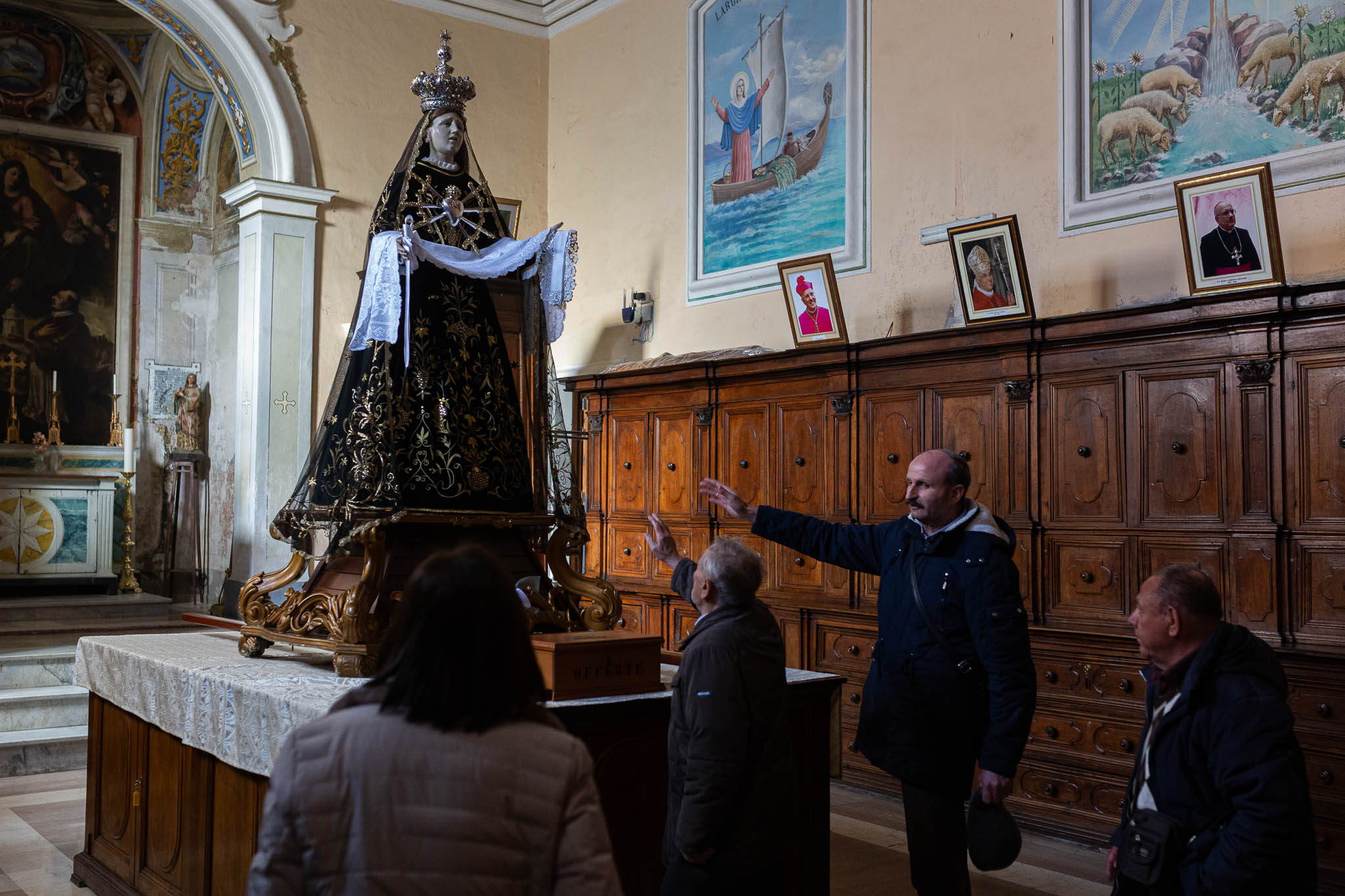


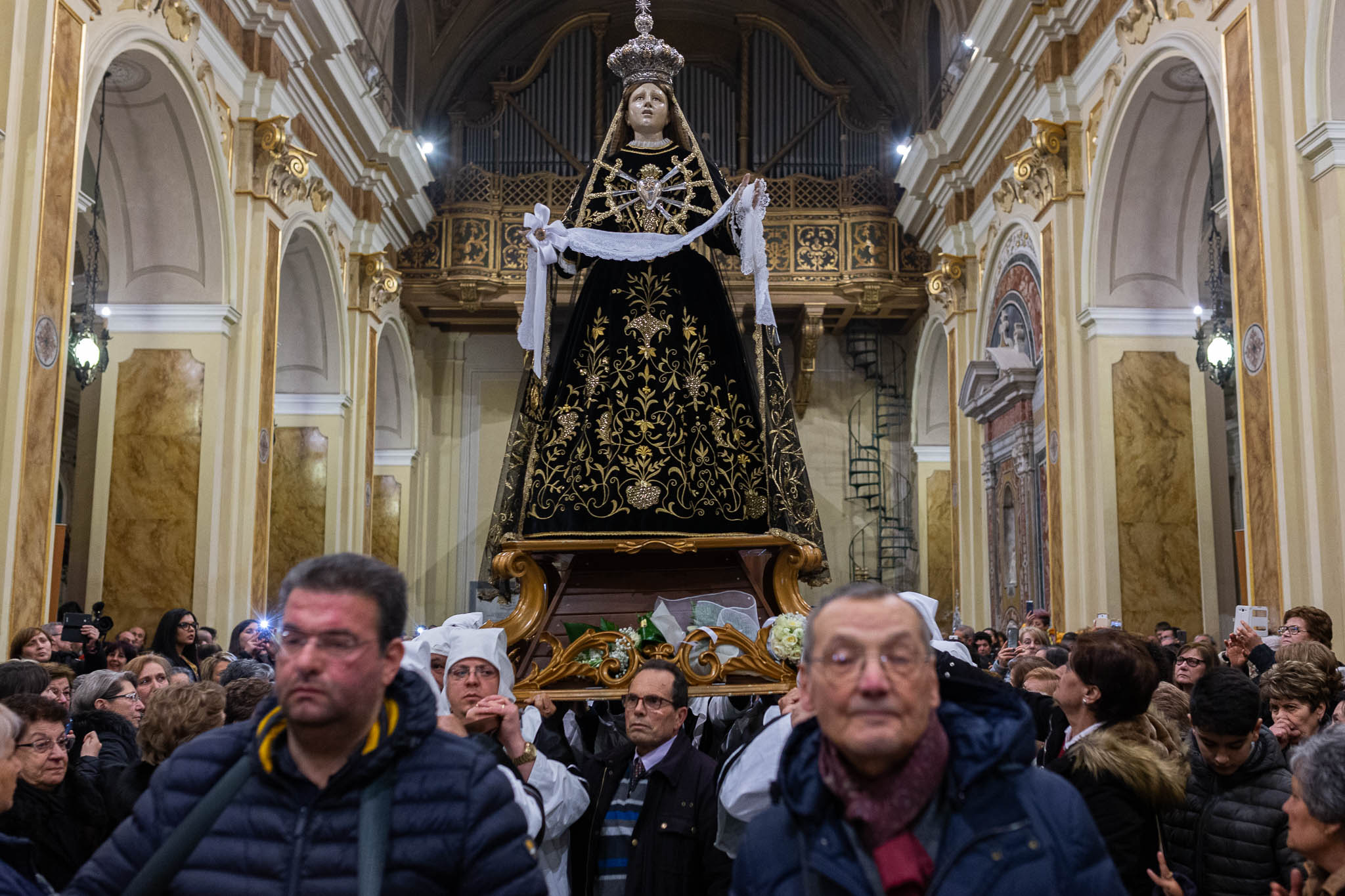


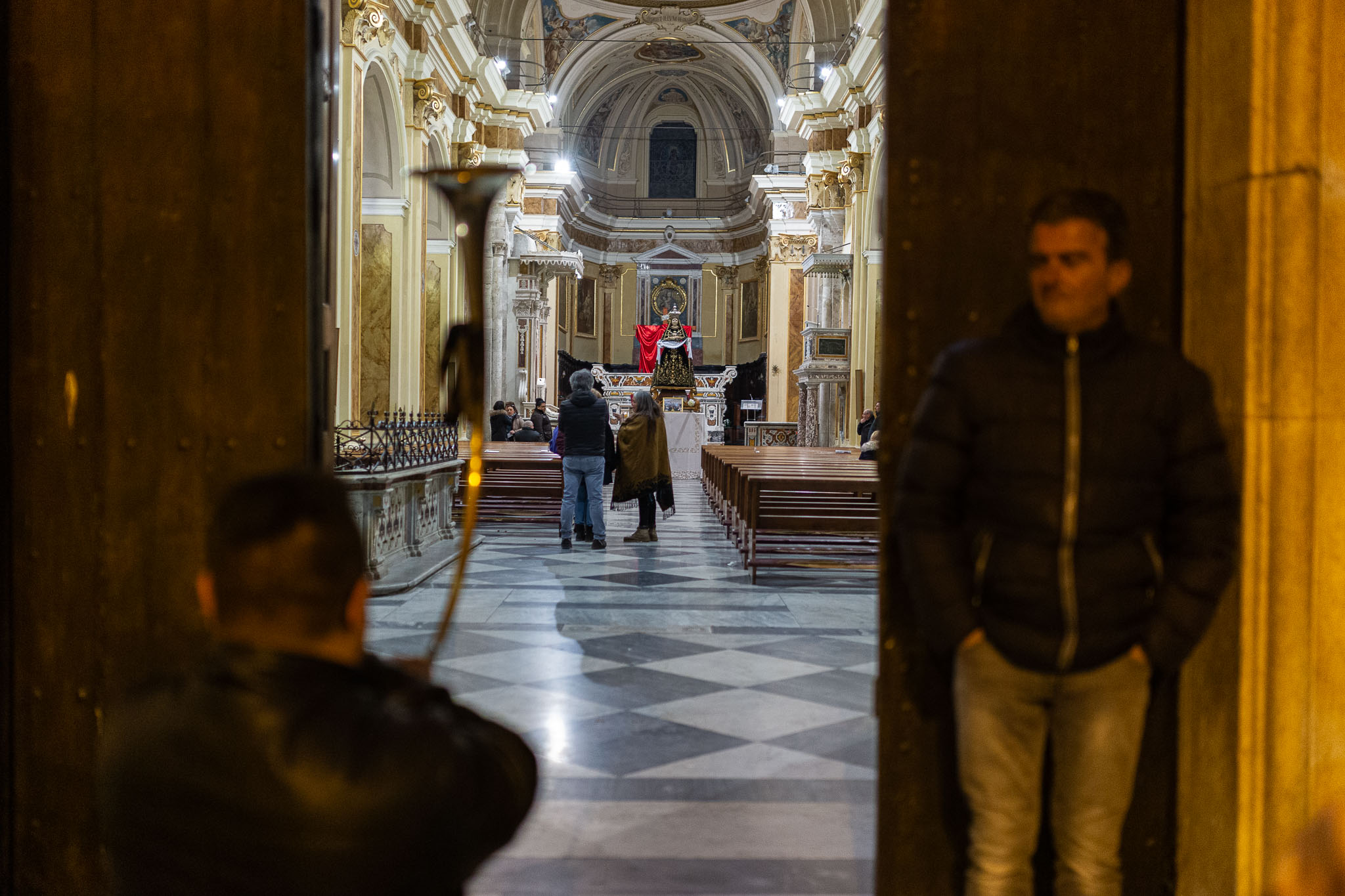

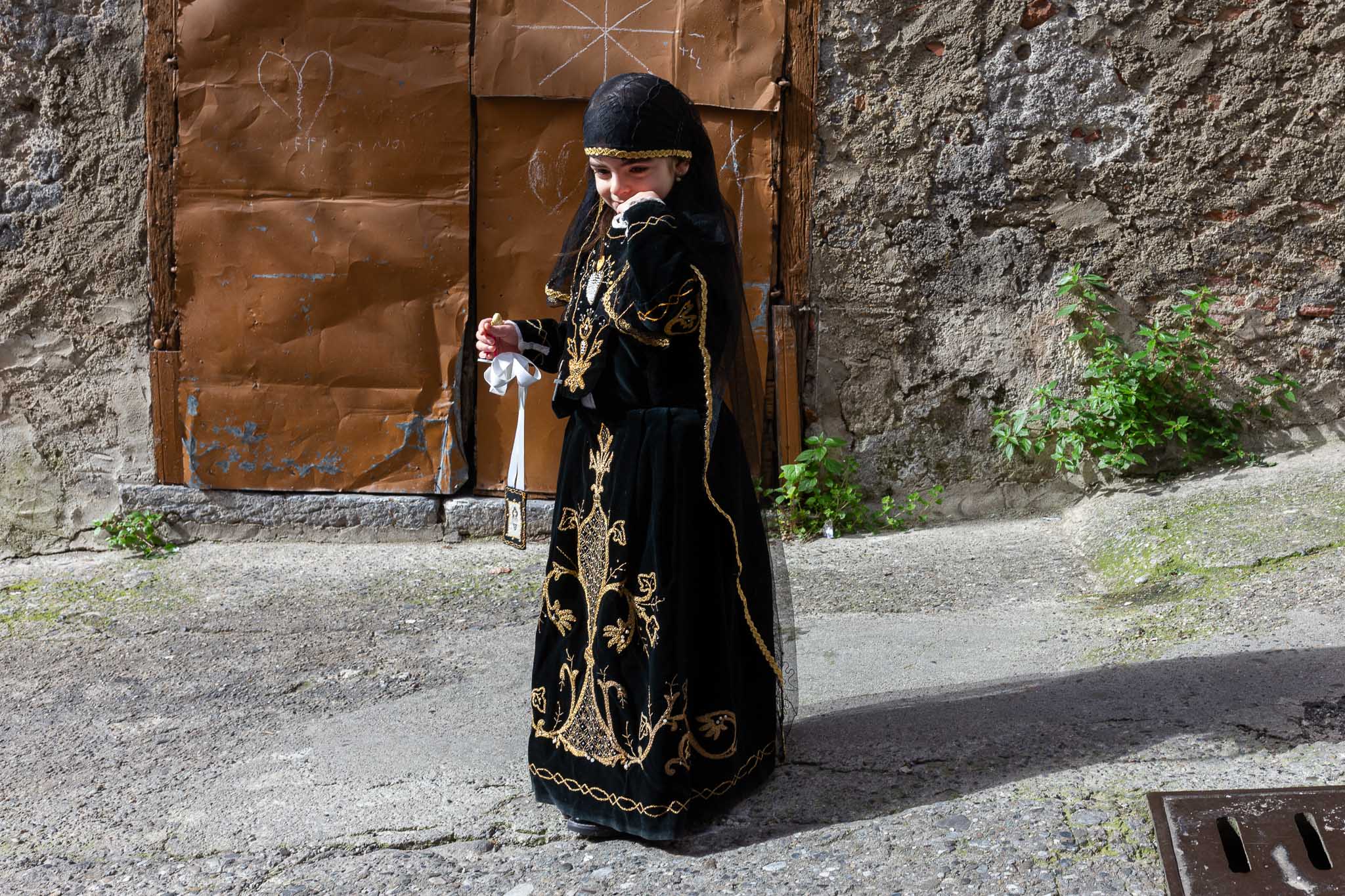


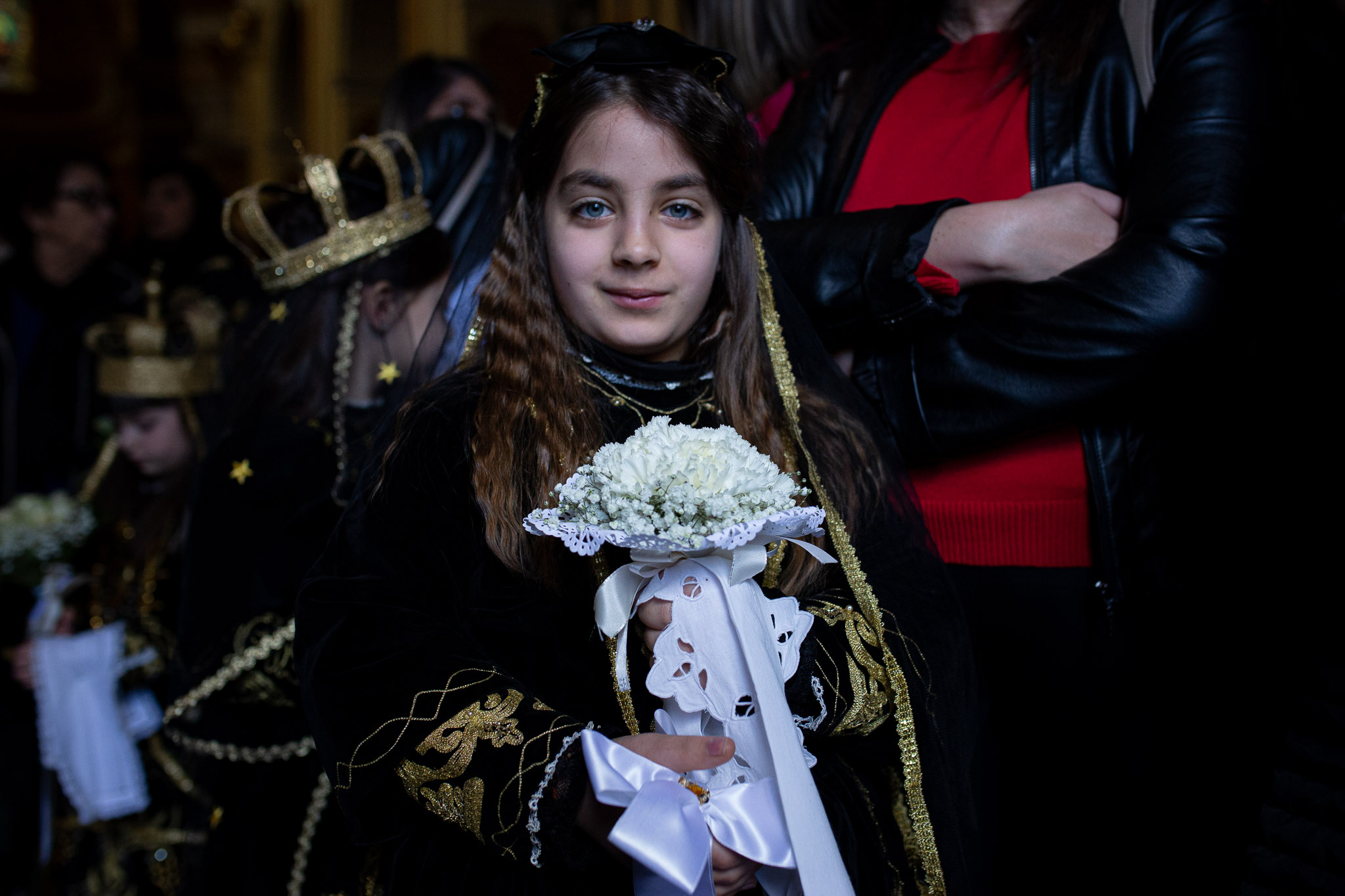
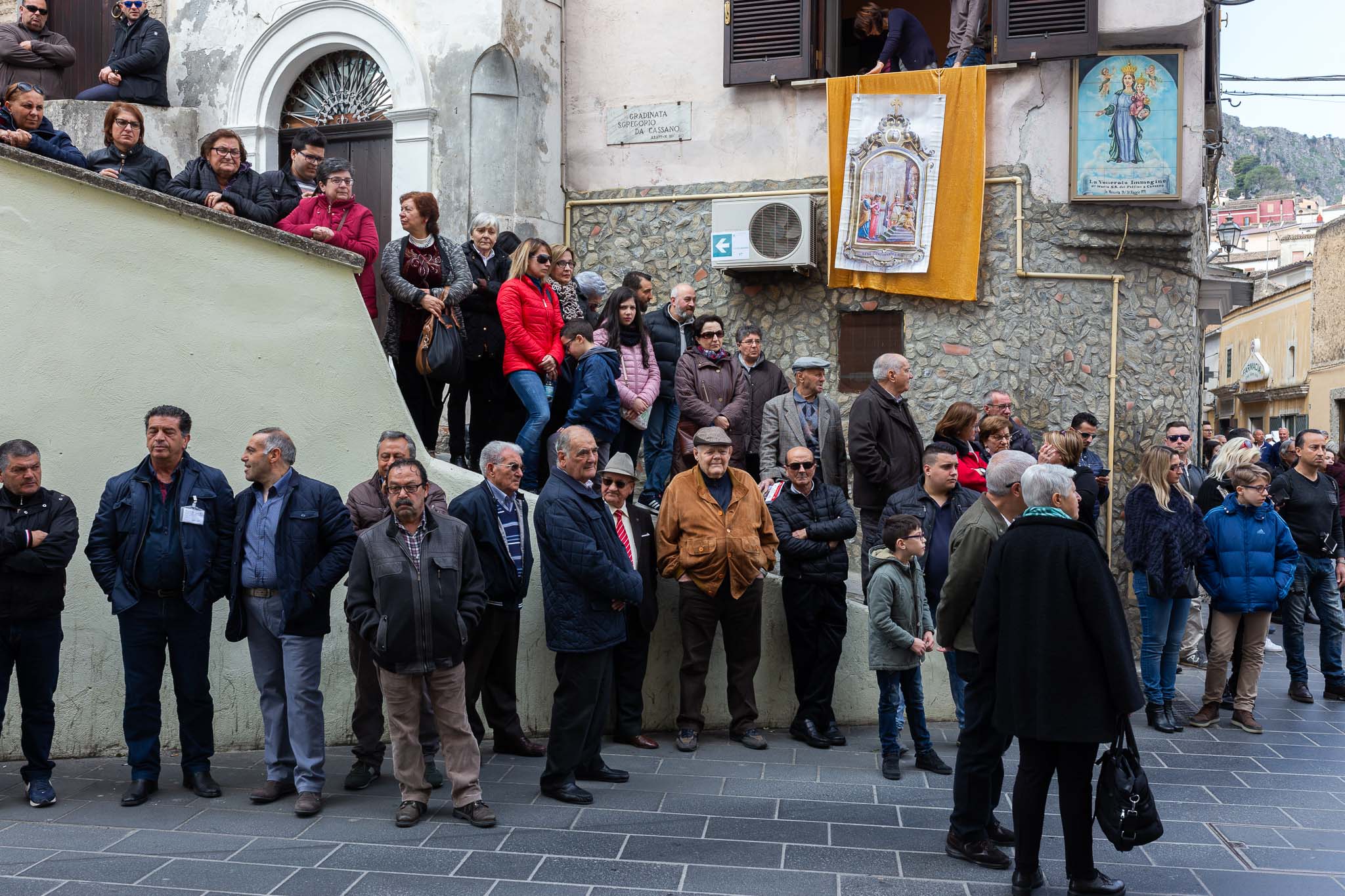


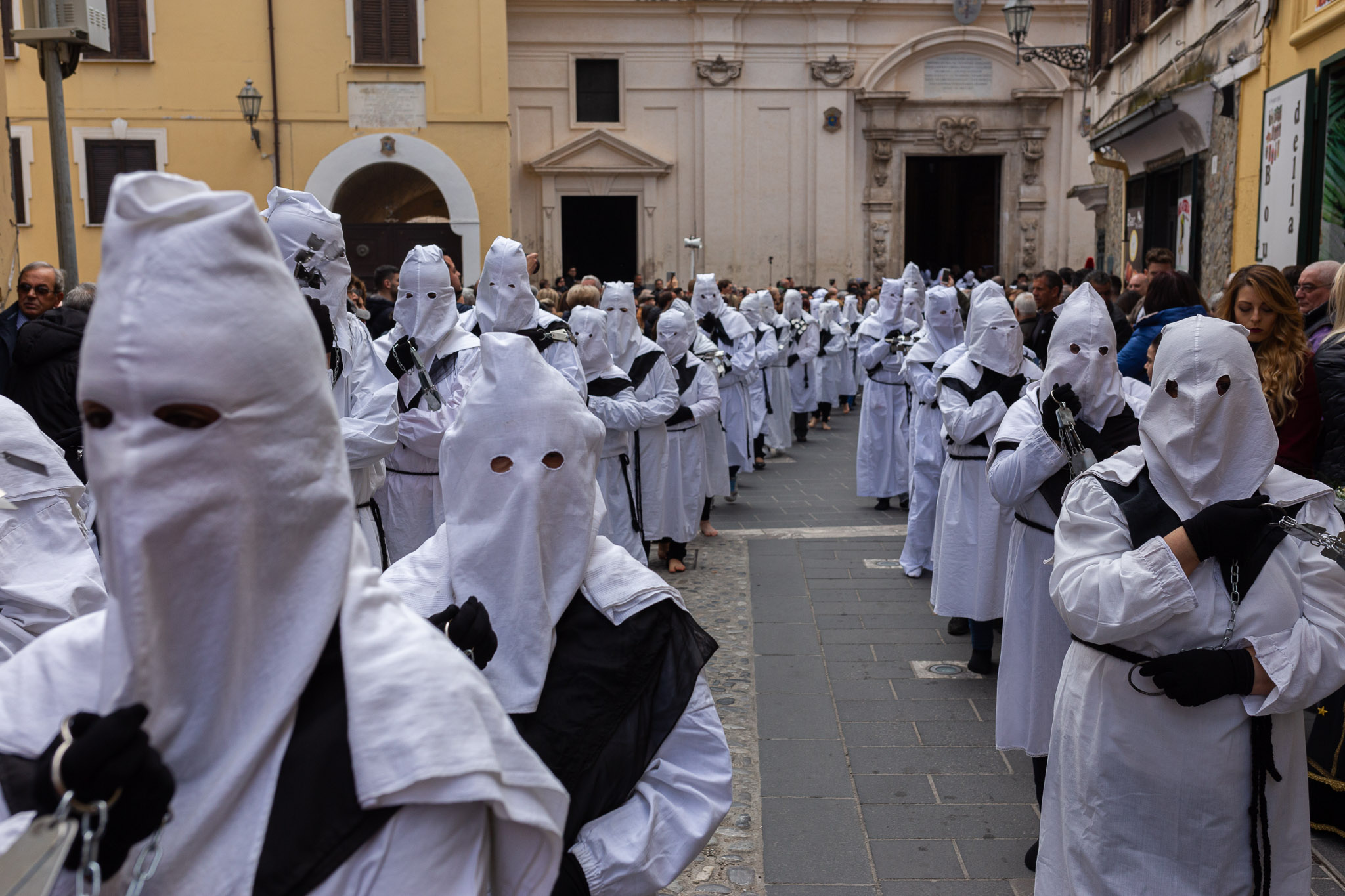



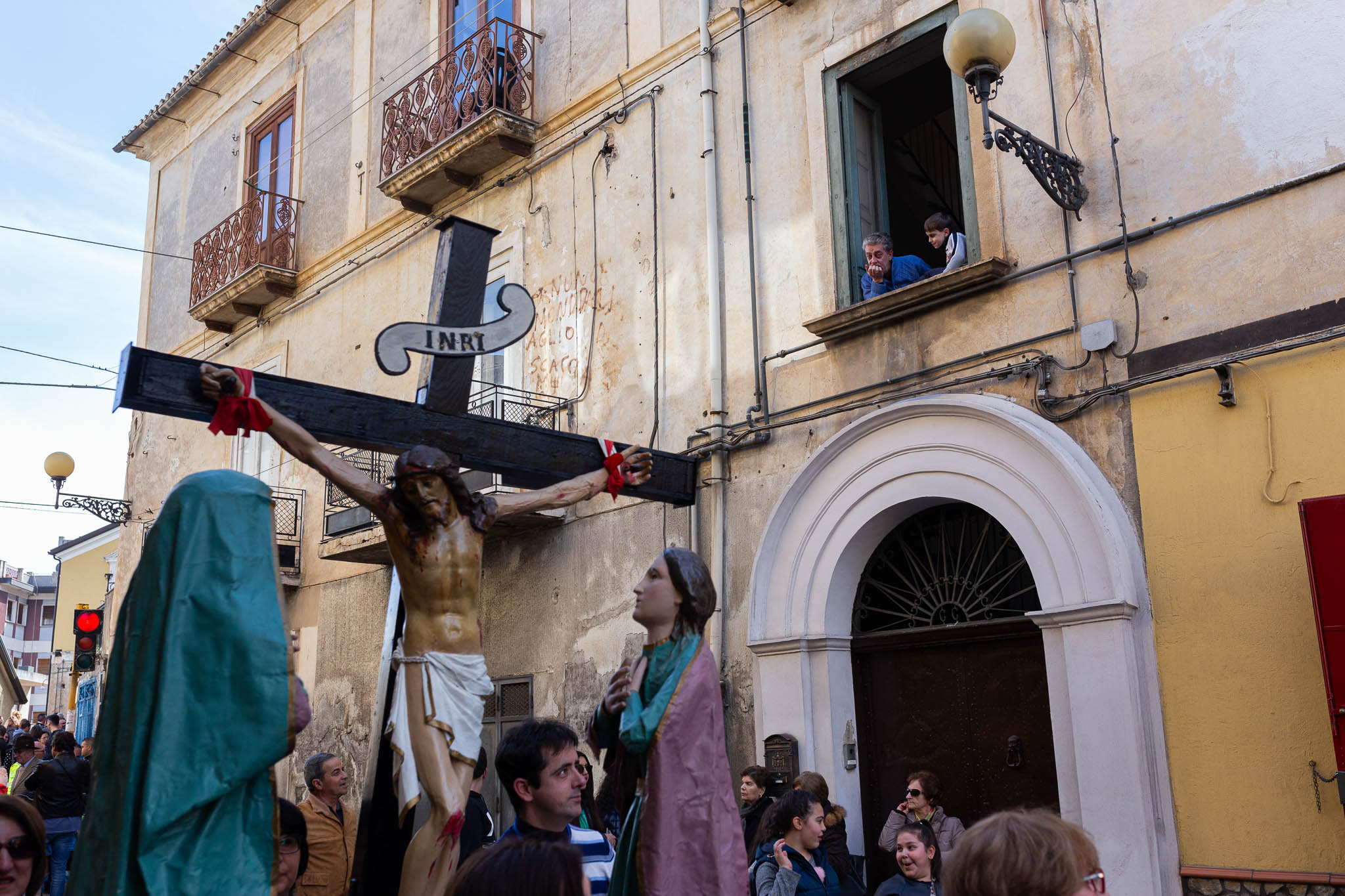


The procession involves thousands of people, including local confraternities who carry statues depicting the key moments of Christ’s Passion. These statues, known as the Mysteries, are true works of sacred art, skillfully crafted by talented local sculptors.
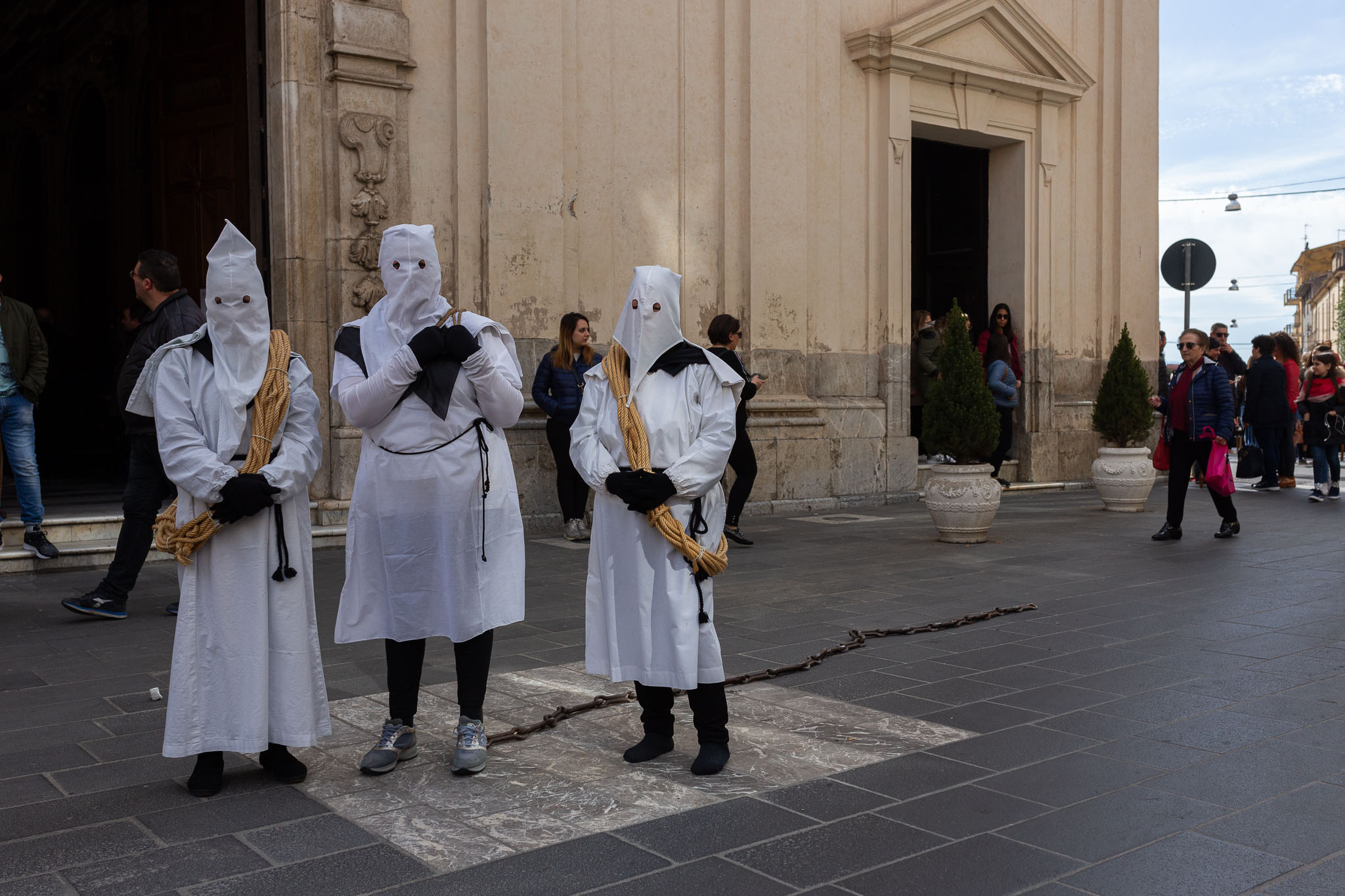
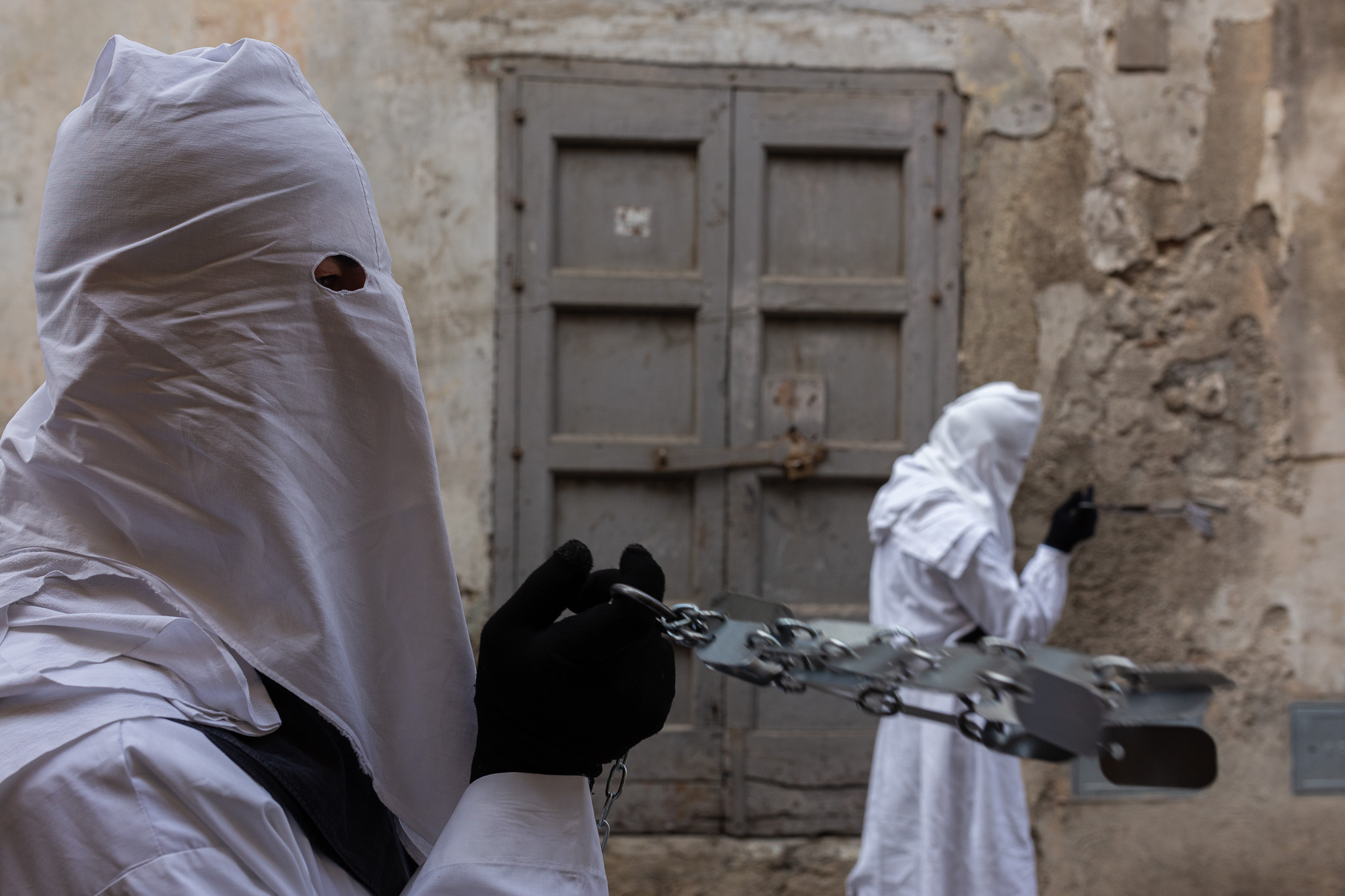
One of the most distinctive elements of the procession is the participation of the flagellants of Cassano all’Ionio—members of a religious confraternity whose tradition dates back to the 16th century. Their practice, which involves self-flagellation as a form of penance and atonement for sins, is an integral part of the Good Friday ritual.
The flagellants, dressed in white robes with their faces covered by hoods, walk through the streets of the town striking themselves with chains as they accompany the procession of the Dead Christ. This ritual is particularly intense and represents a moment of deep popular participation, rich in emotion and spiritual meaning.
The origins of the confraternity of flagellants are not entirely clear, but it is believed that the tradition arose following a plague that struck the town in 1528. During that tragic time, many citizens publicly flagellated themselves as an act of penance and a plea to the Virgin Mary for protection from the disease.
The Procession of the Mysteries in Cassano all’Ionio is a moment of profound devotion and spirituality for the local community. It is a time when everyone comes together to commemorate Easter and reflect on the meaning of the Christian faith.
I had the opportunity to take part in the procession in 2018 and to observe this religious event up close. It was a deeply moving and beautiful experience.