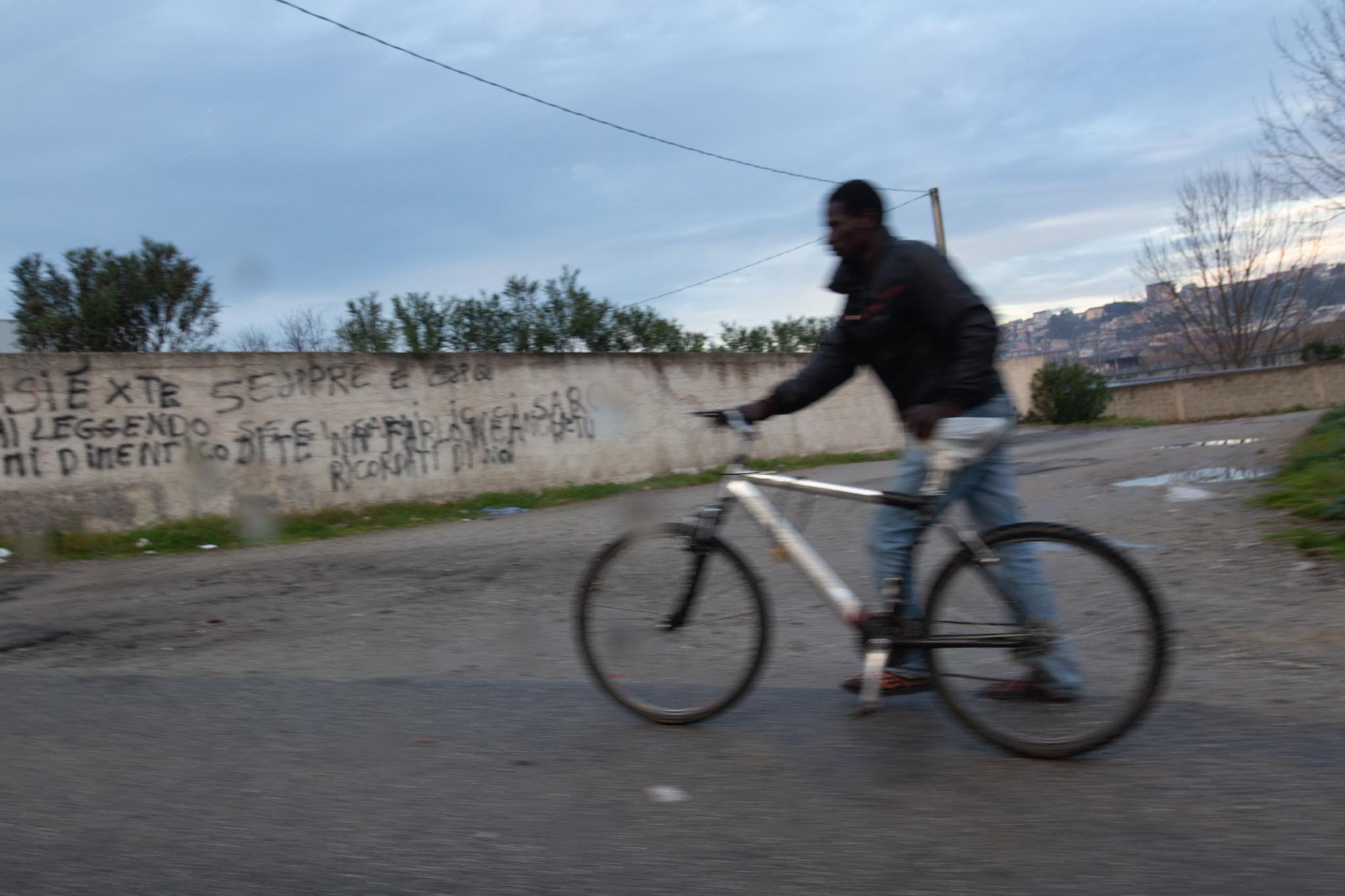
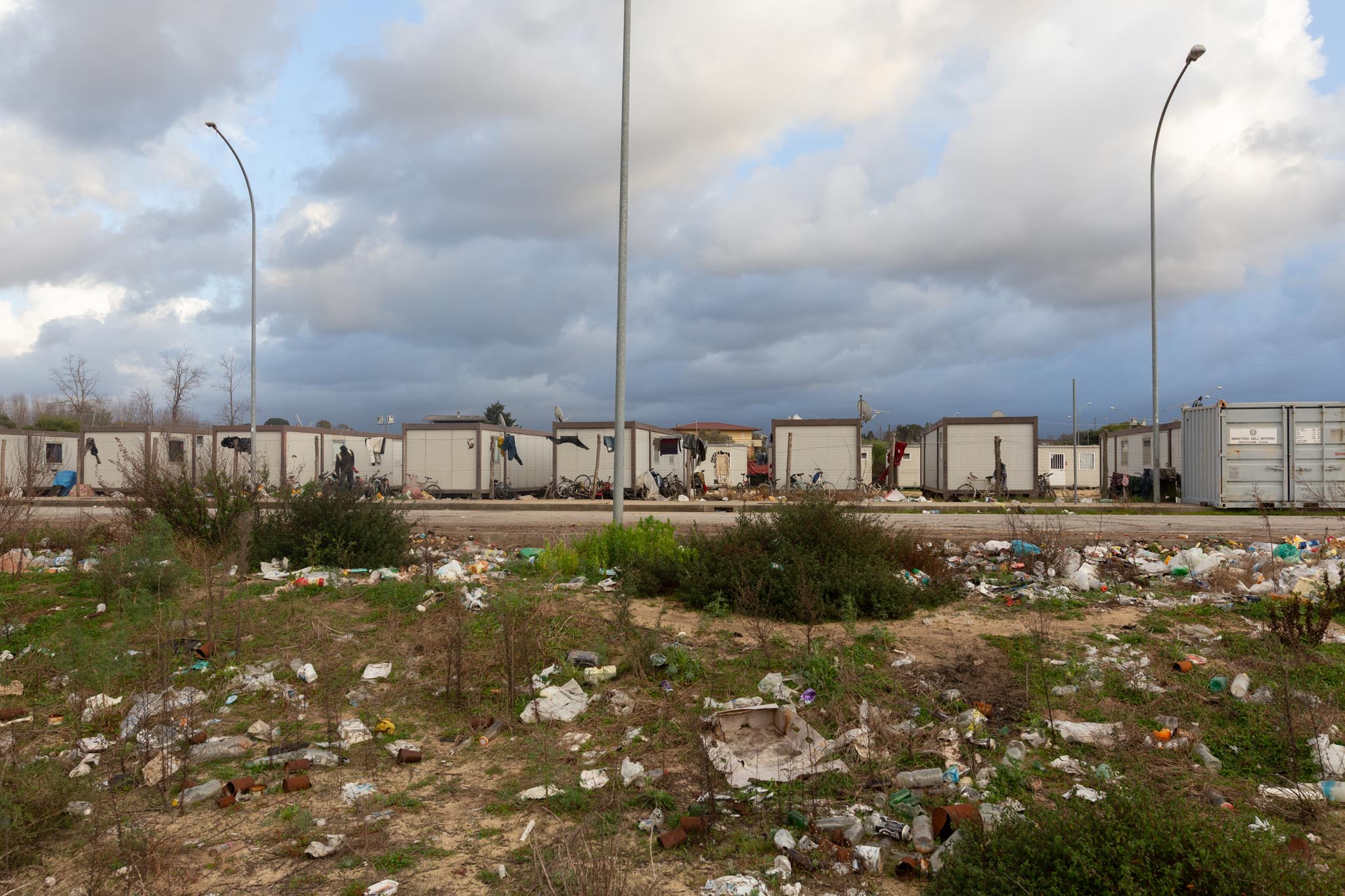
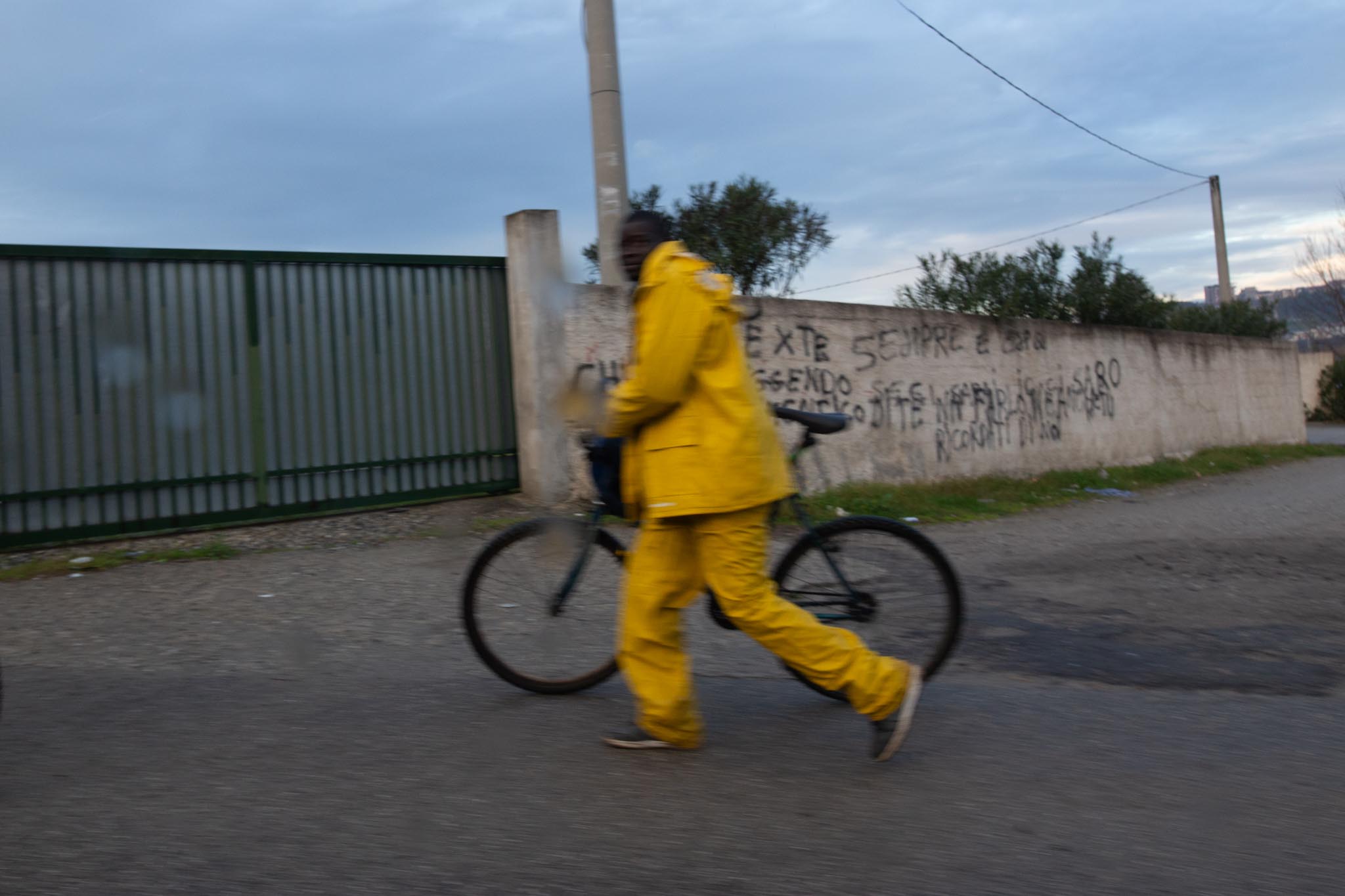
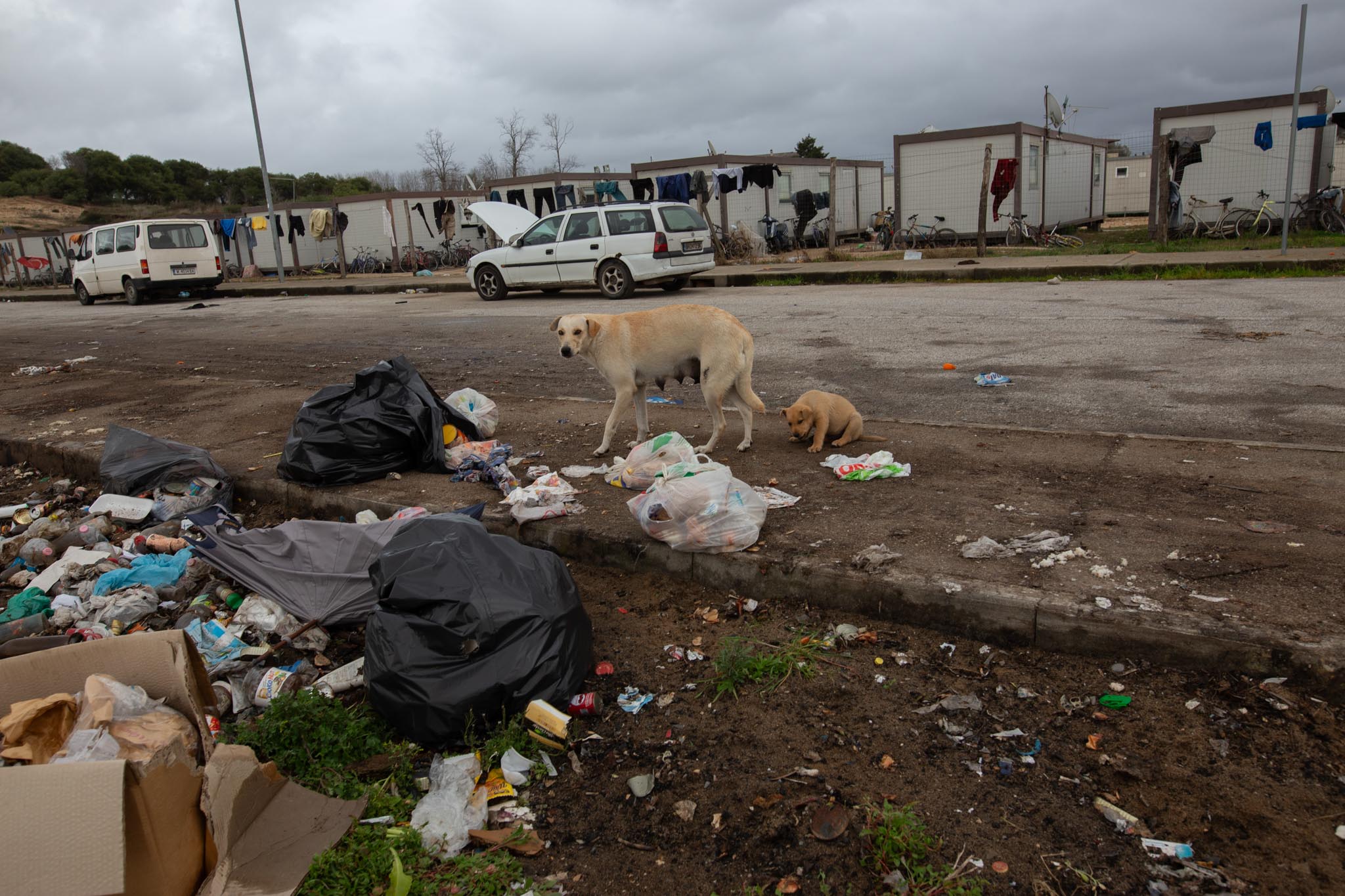
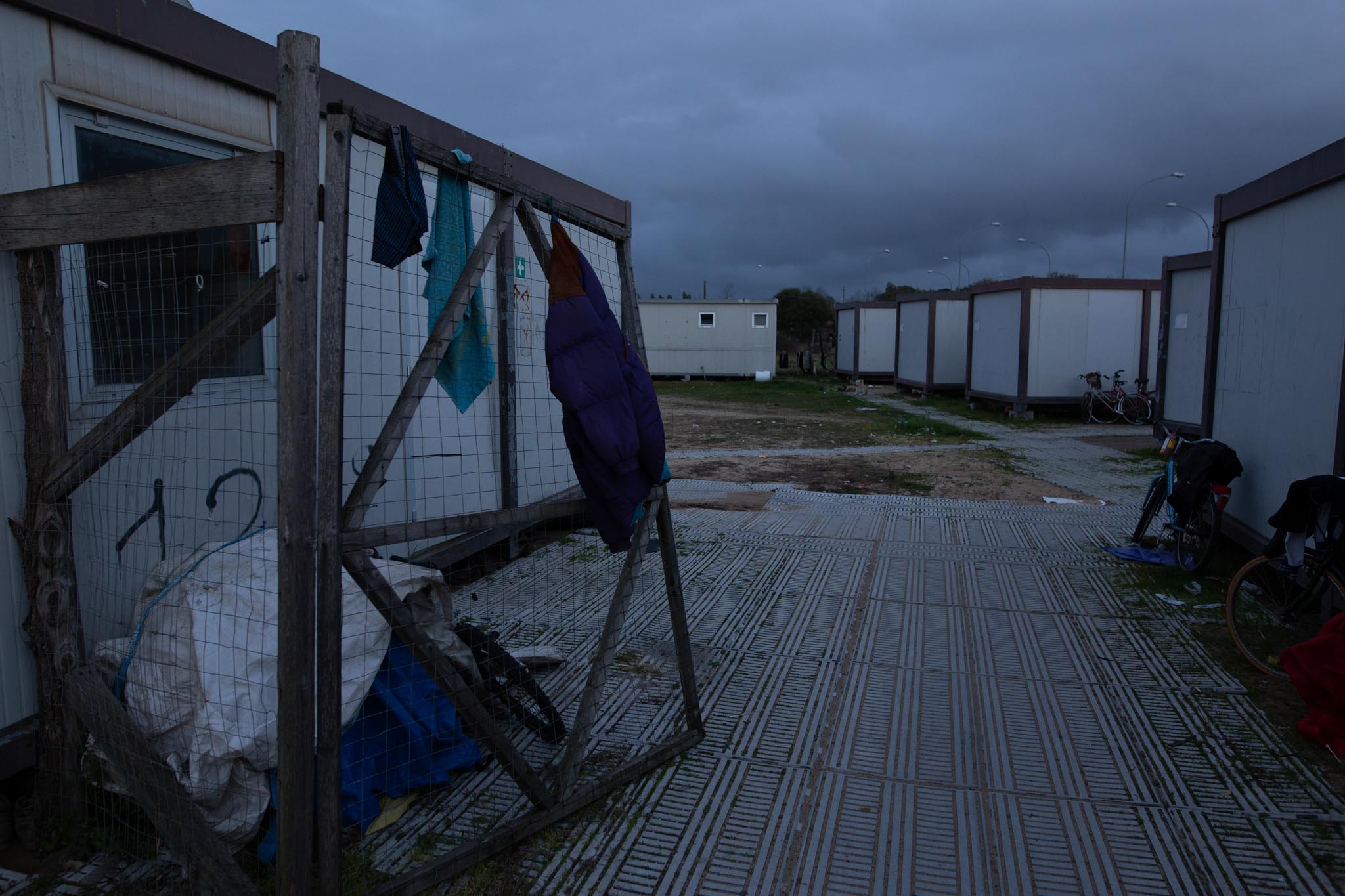
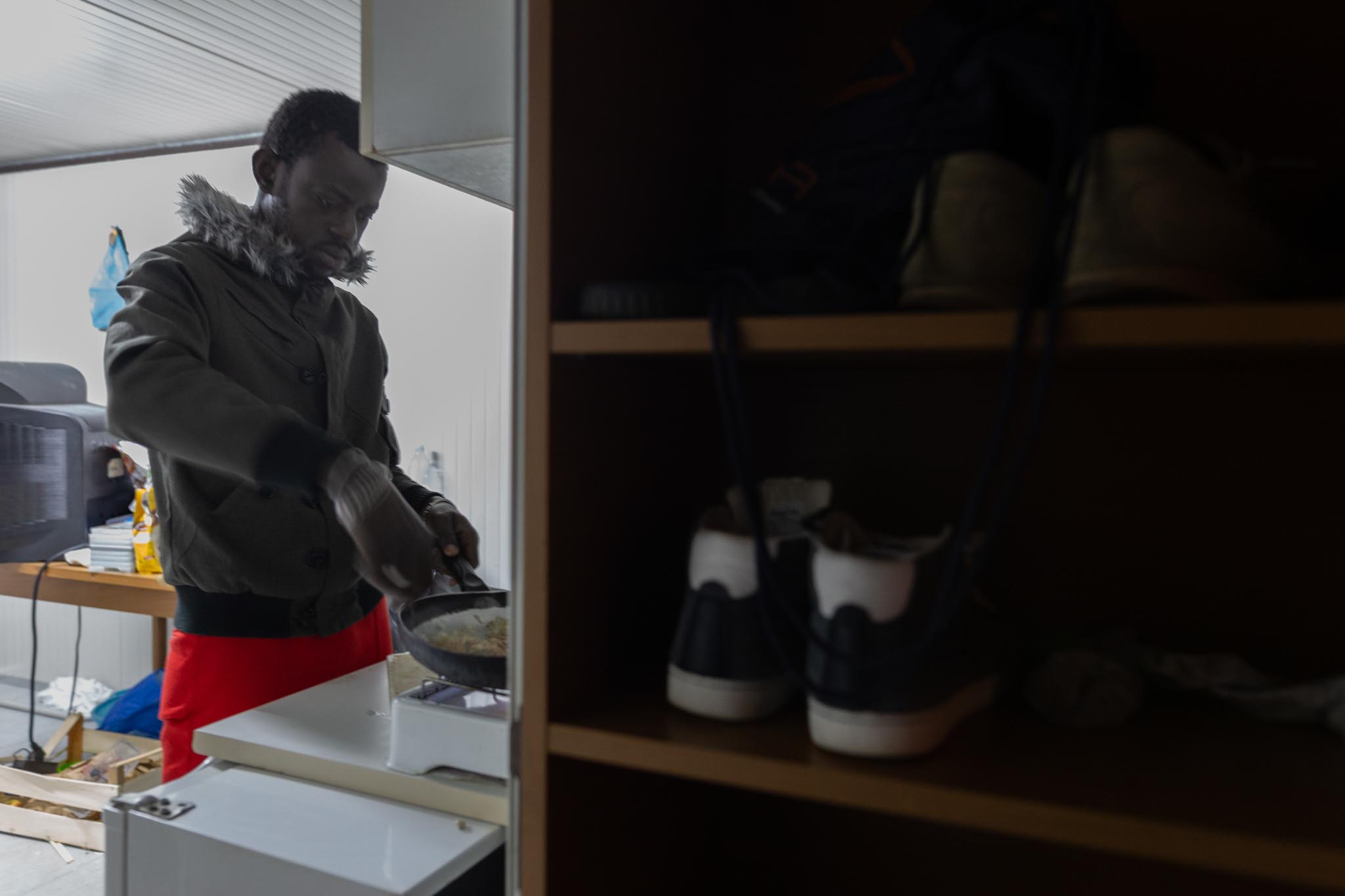
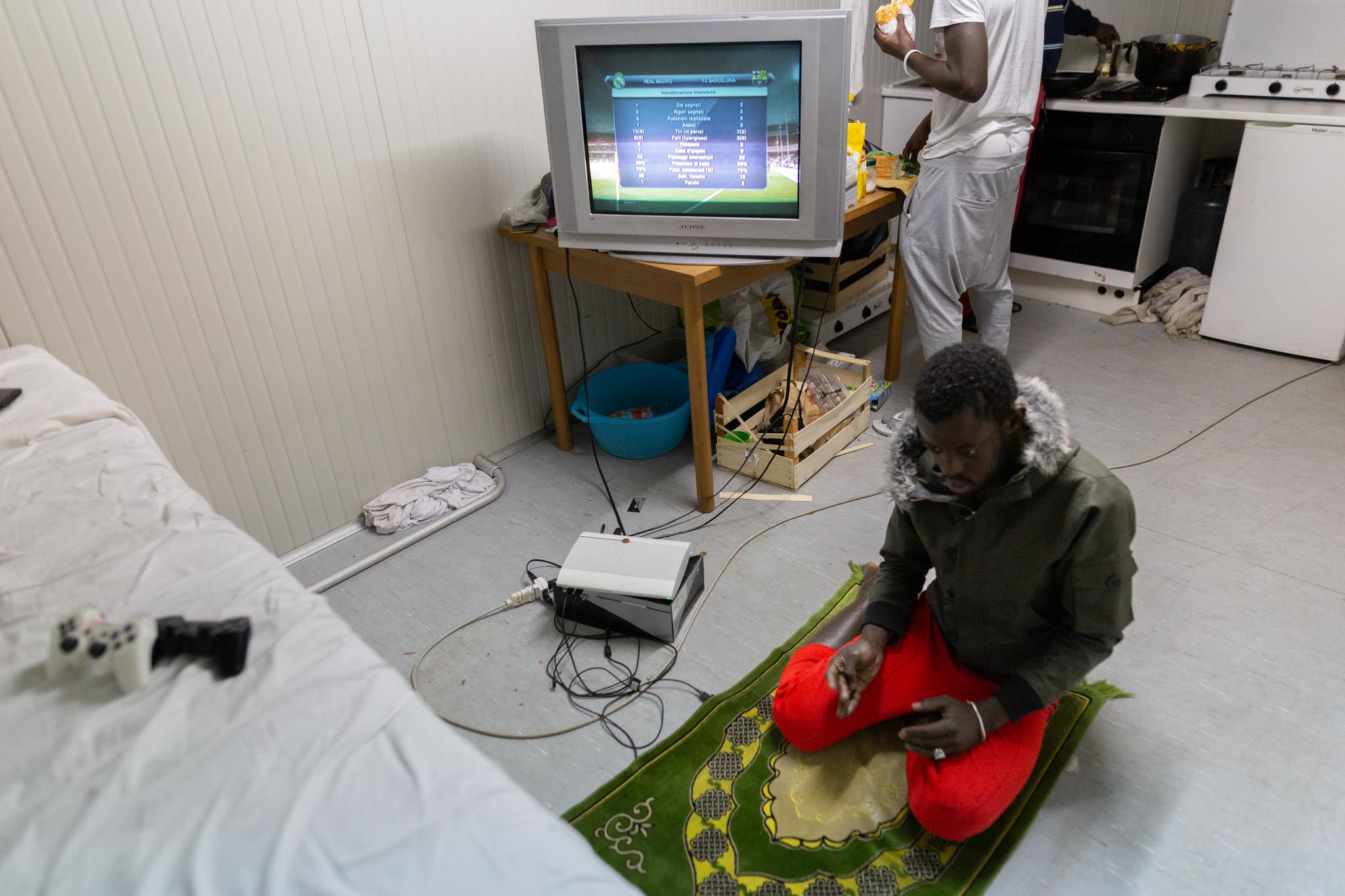
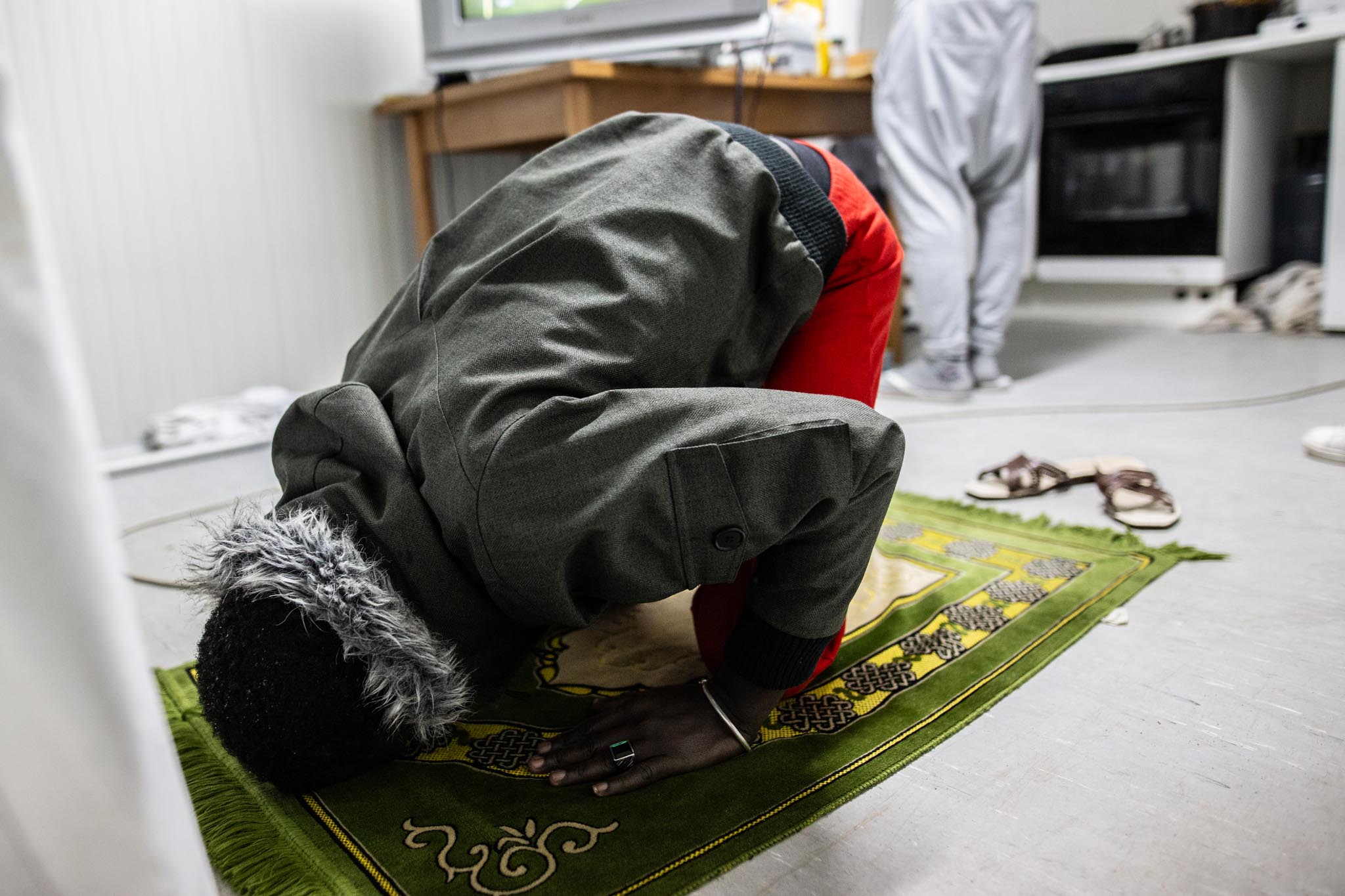
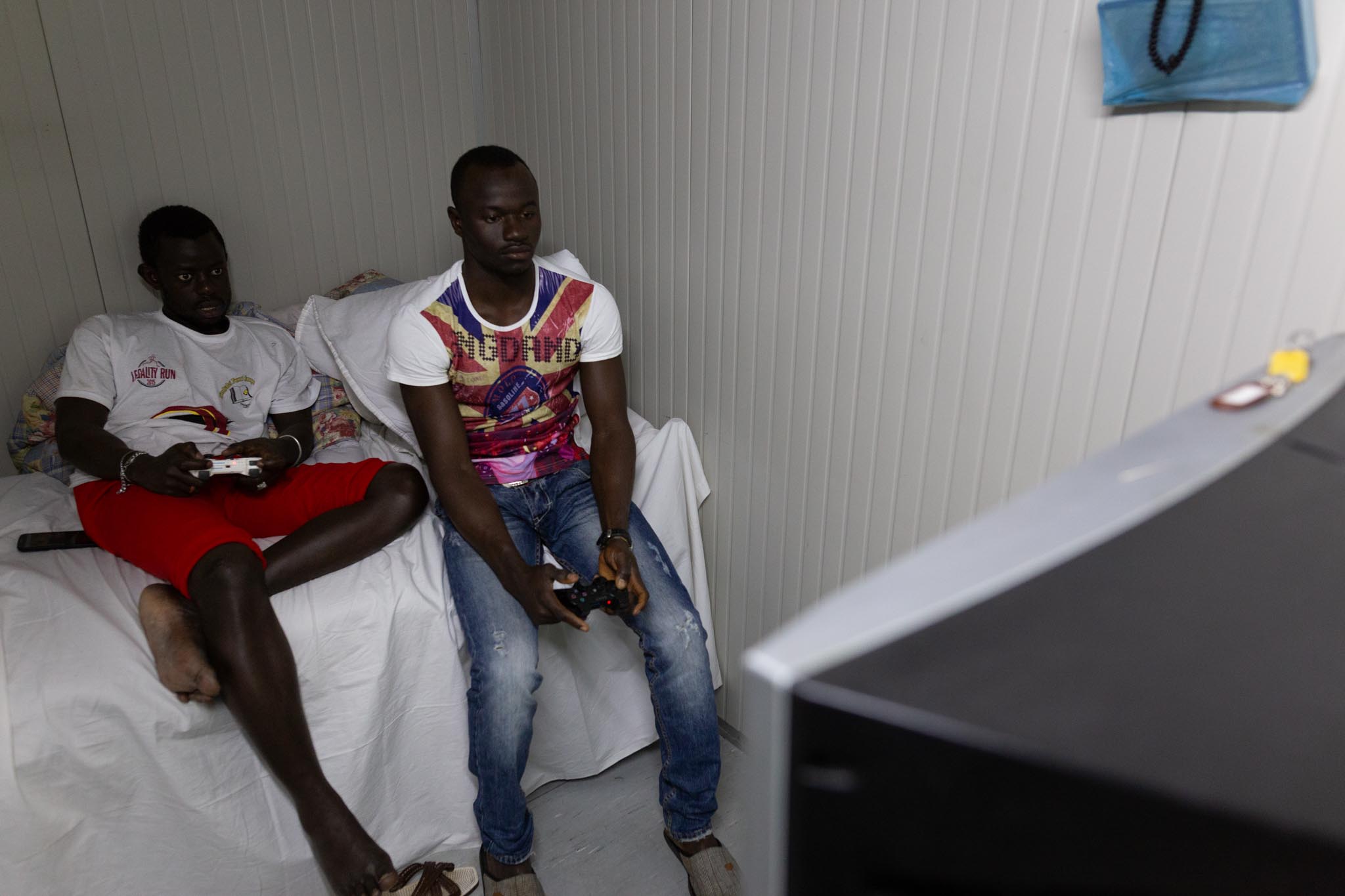
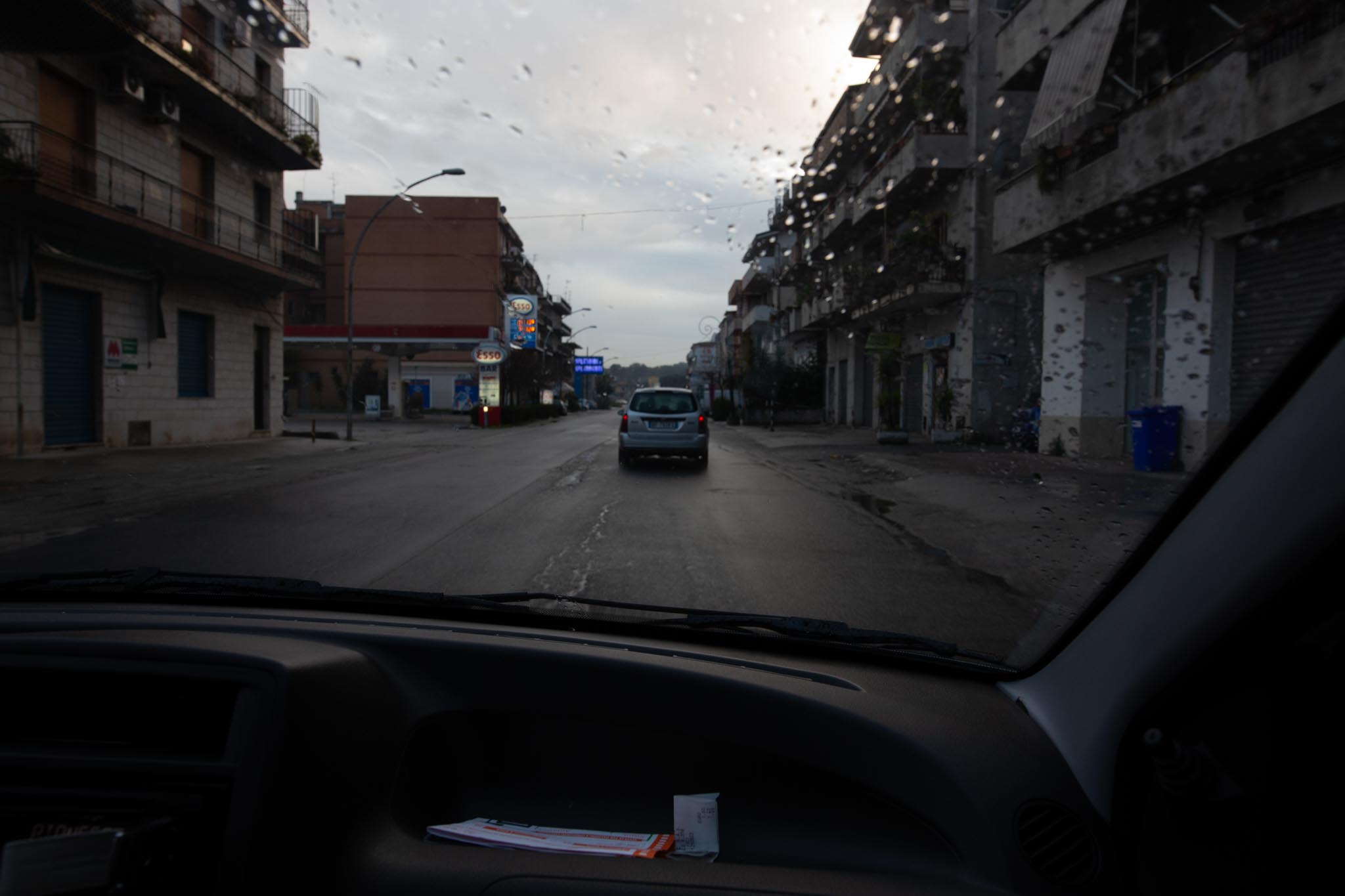
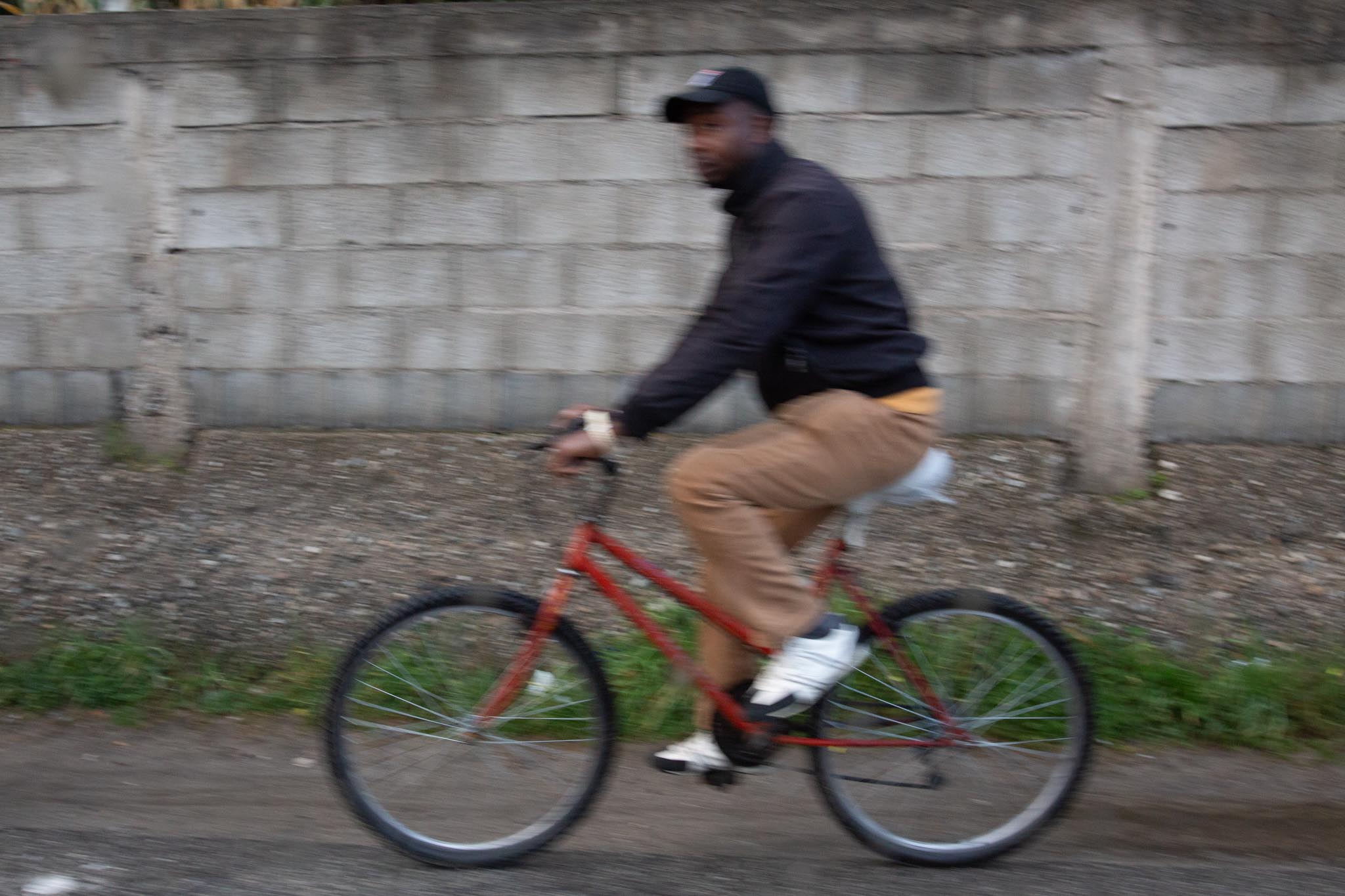
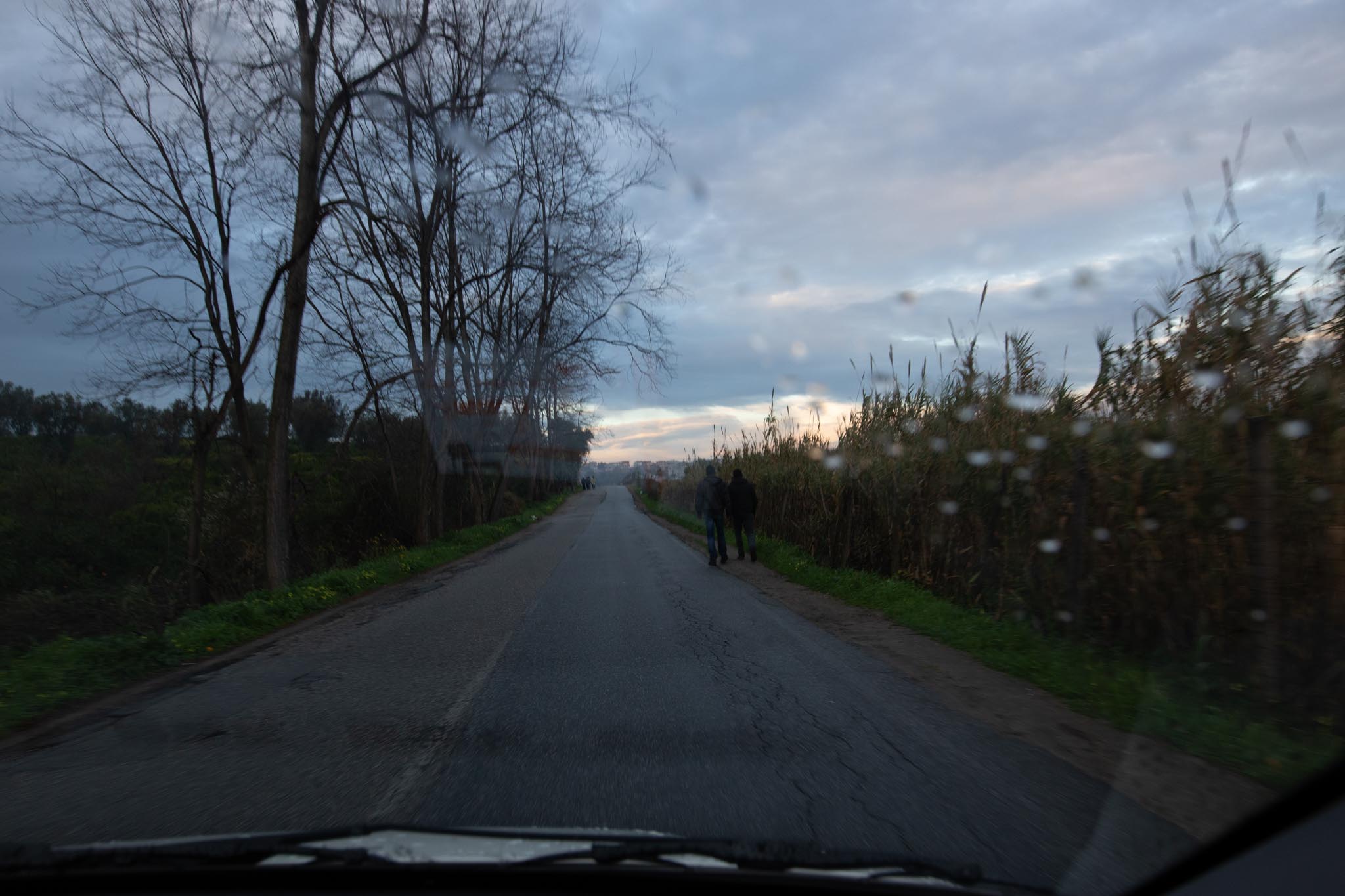
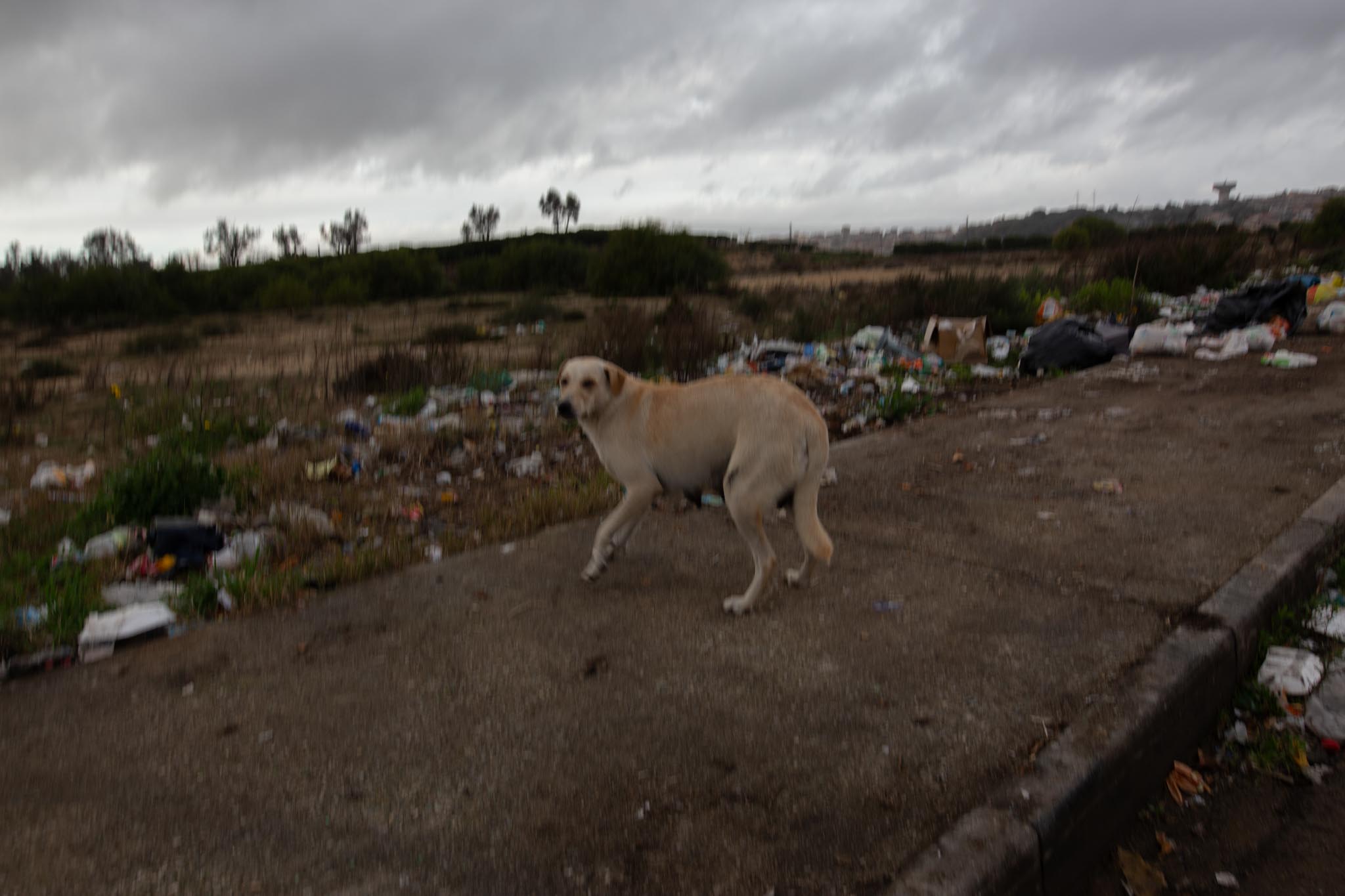
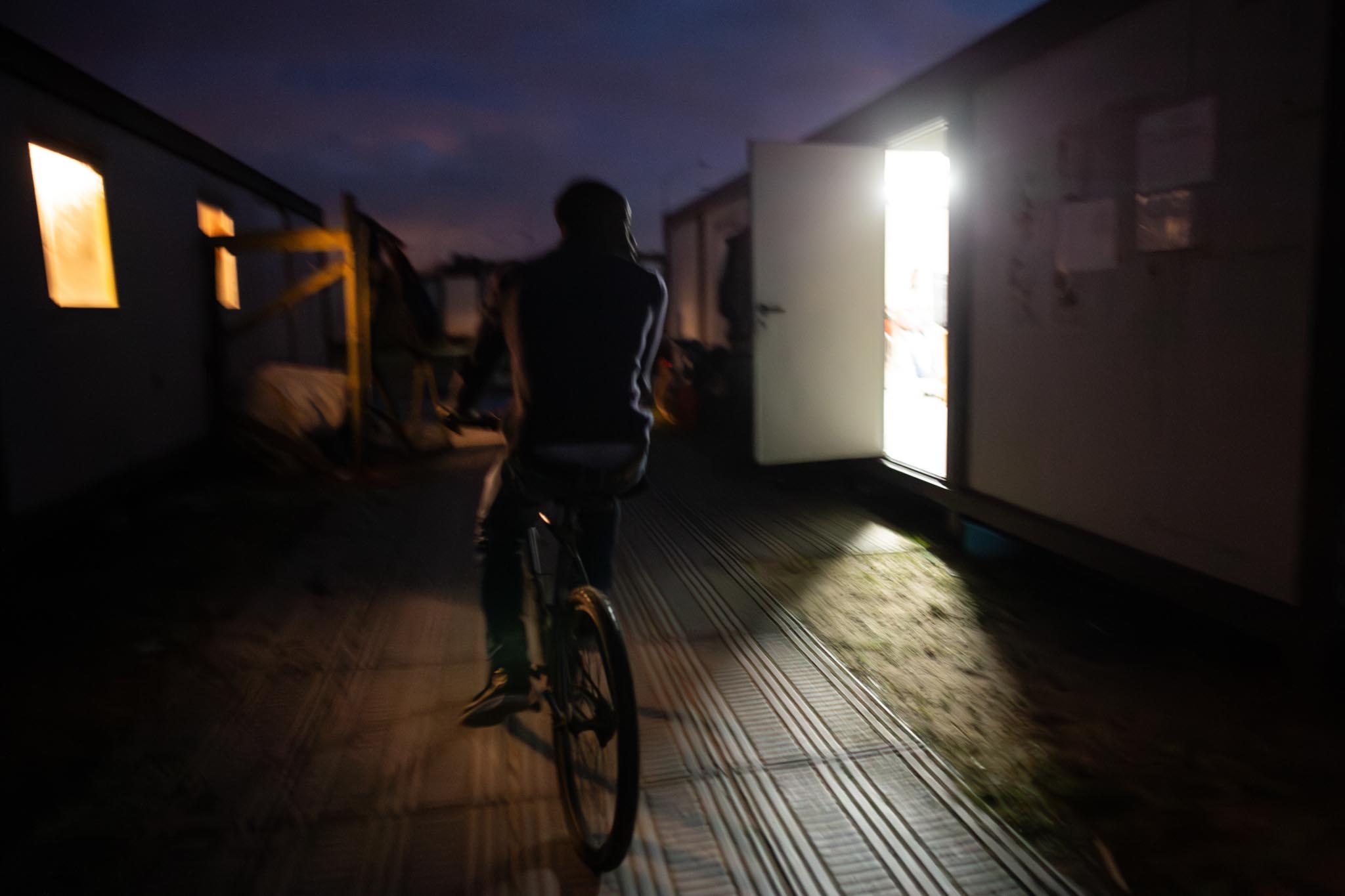
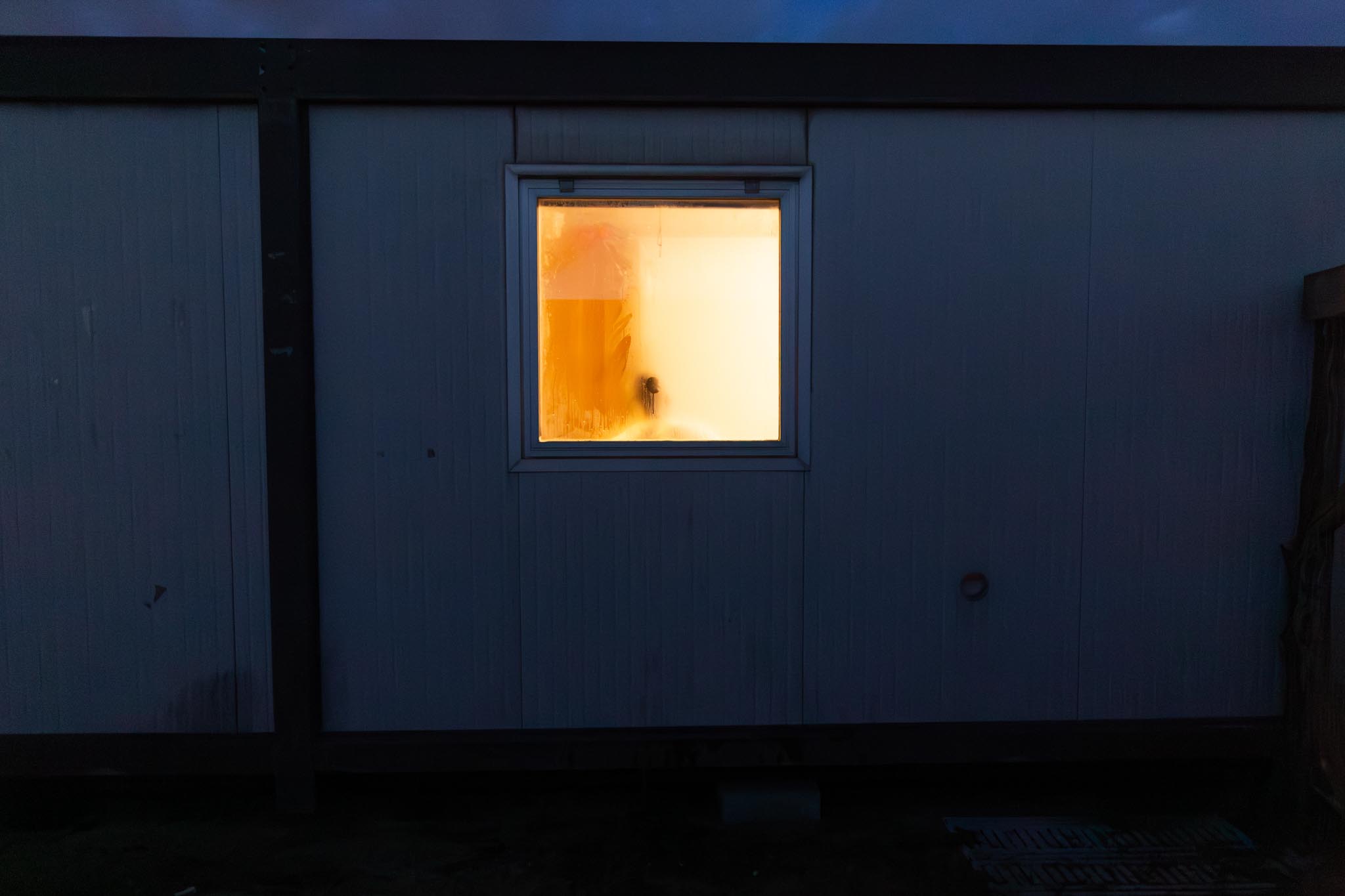
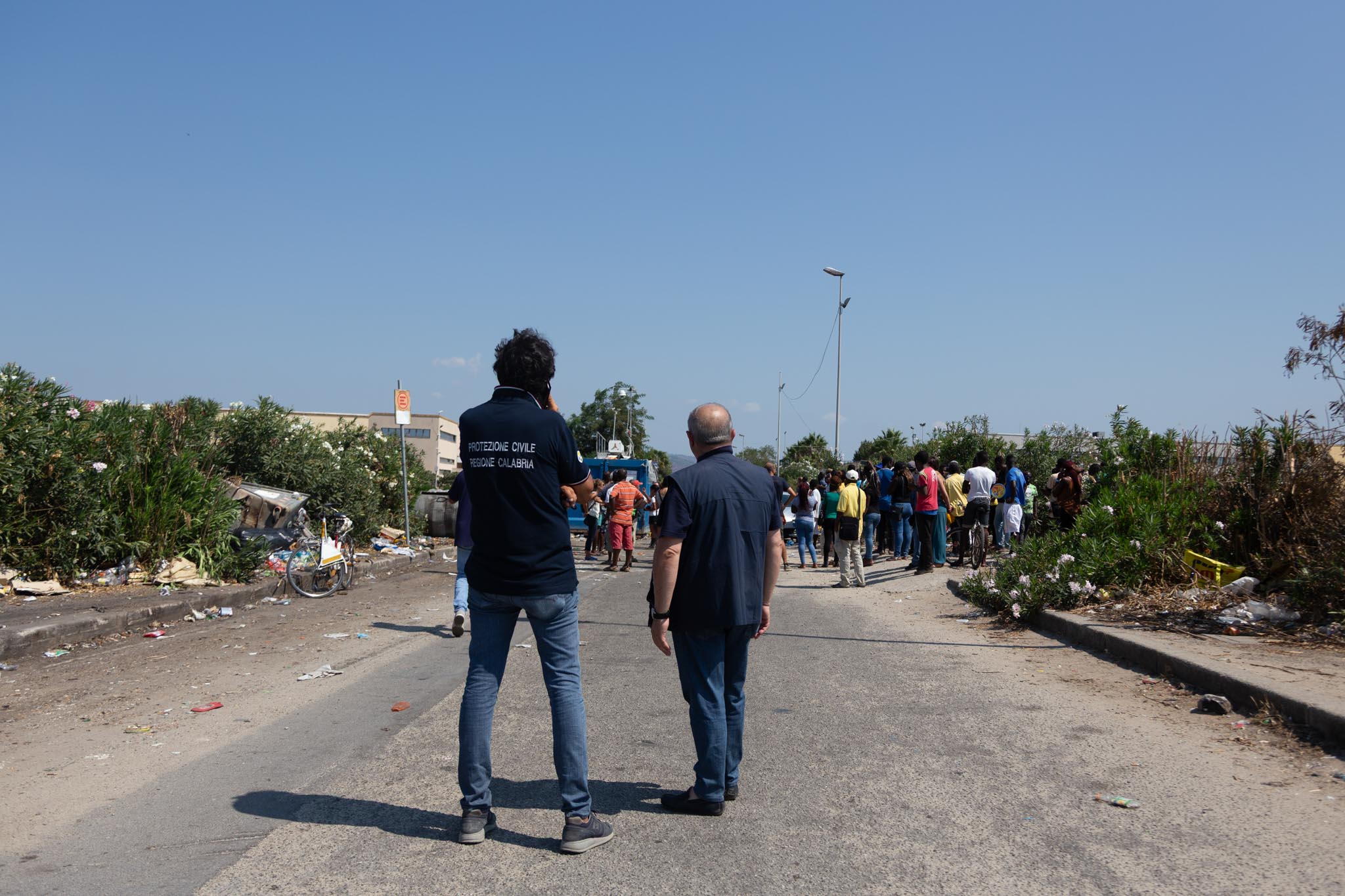
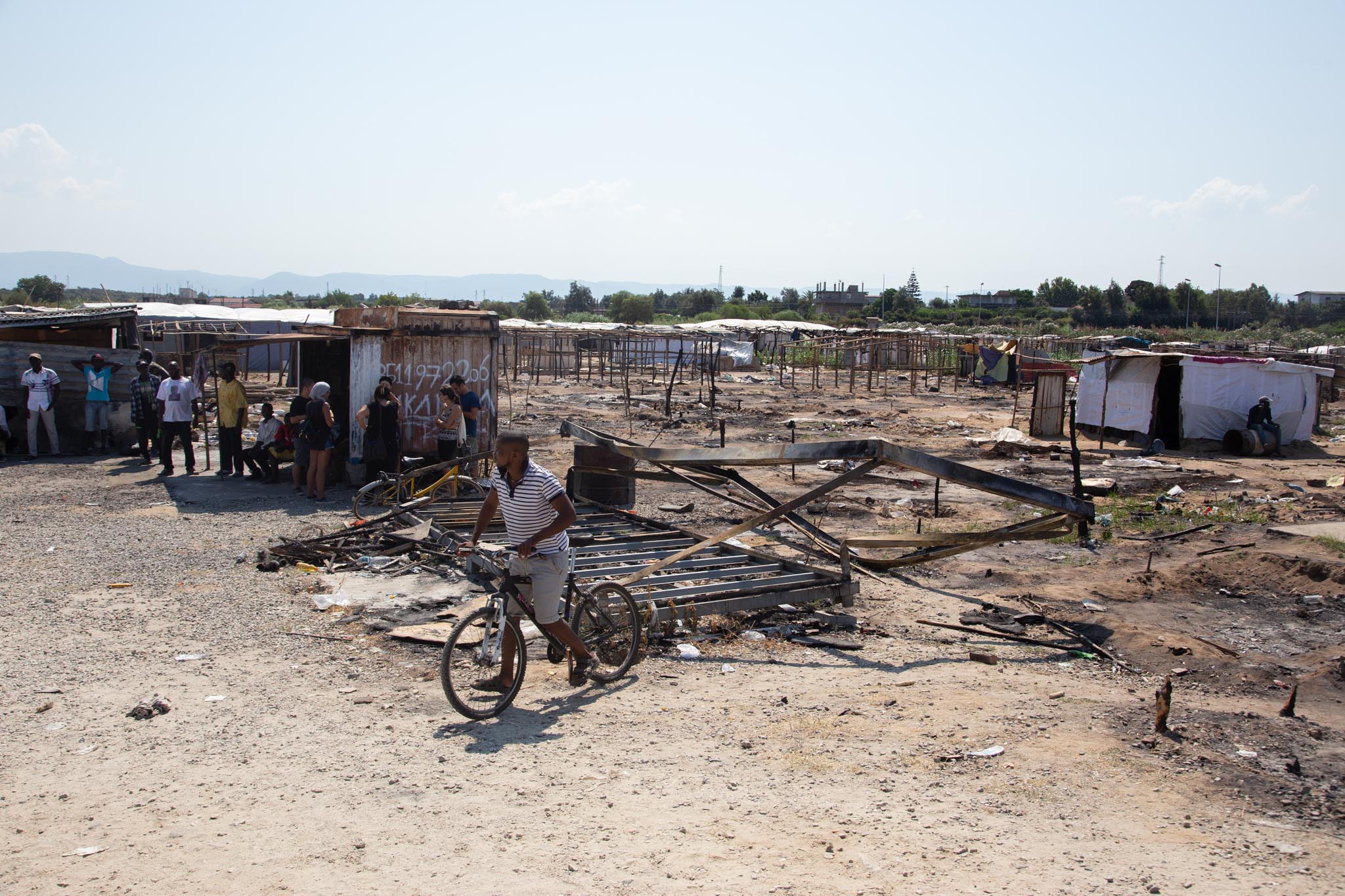
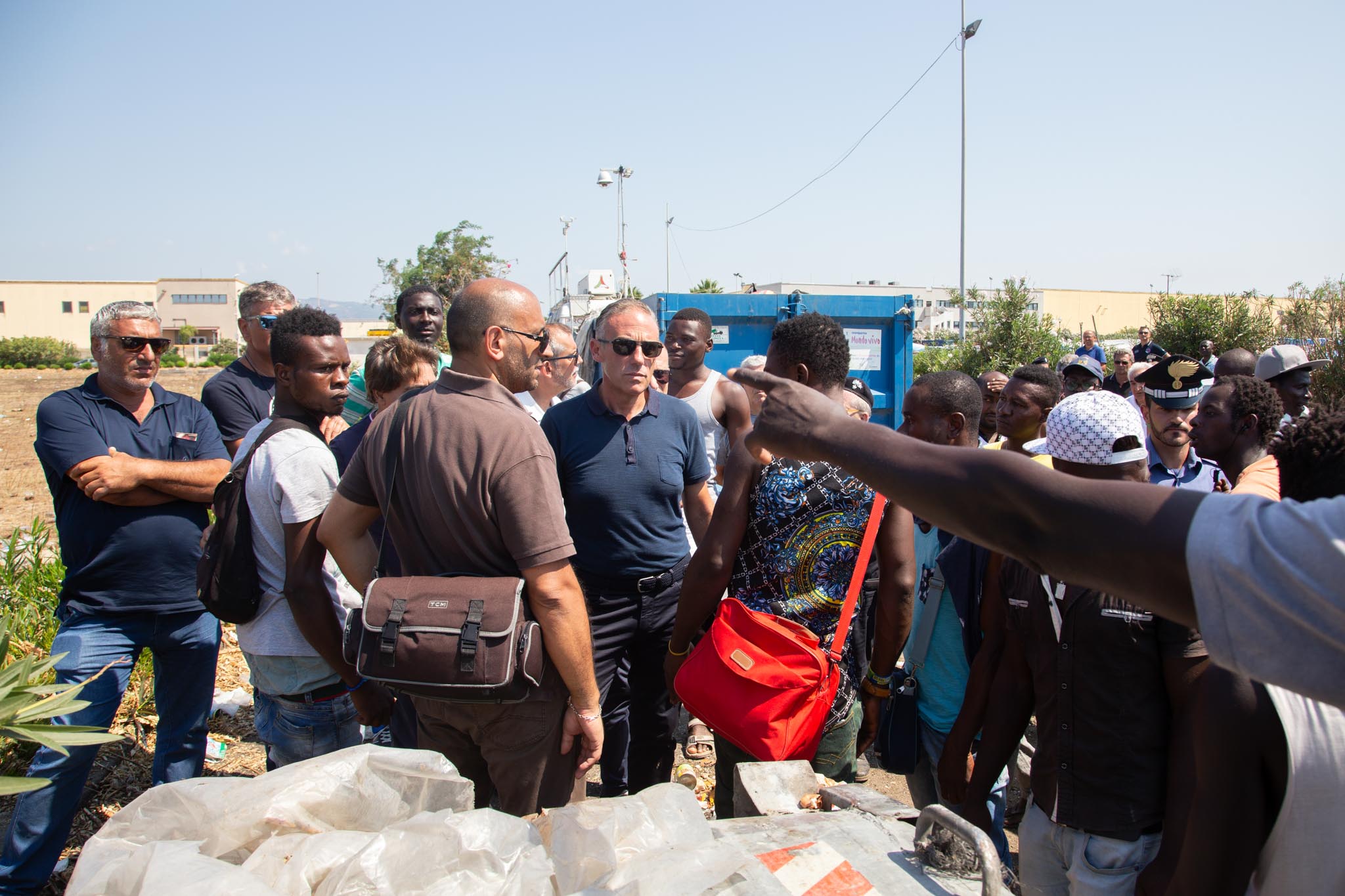
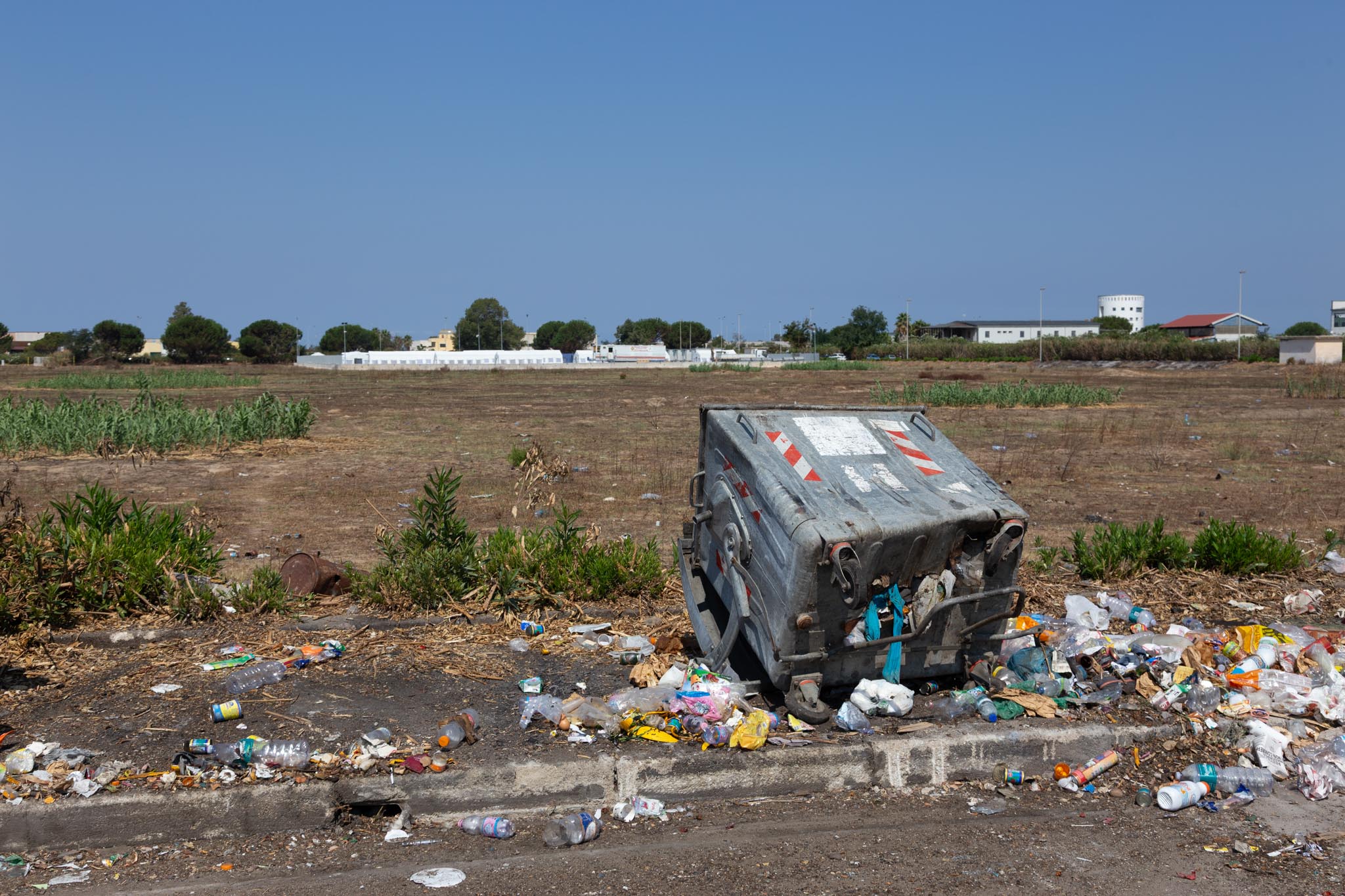
The San Ferdinando tent camp, located in the Gioia Tauro Plain, served for years as a reception center for migrants primarily employed in the agricultural sector.
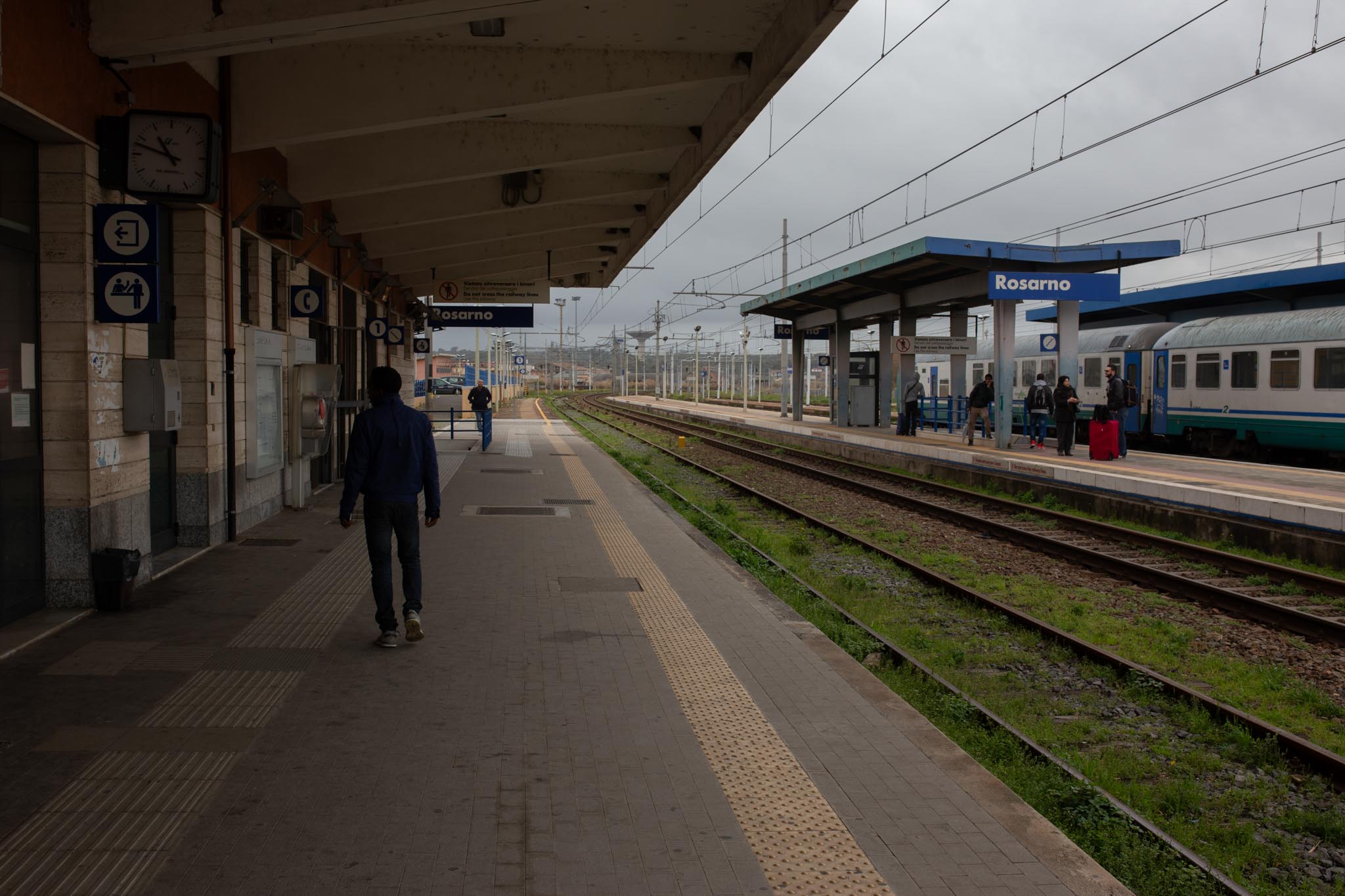
During the orange harvest season, migrants would arrive from all over Italy, and the camp could host up to 2,500 people. A real ticking time bomb, both socially and in terms of safety.
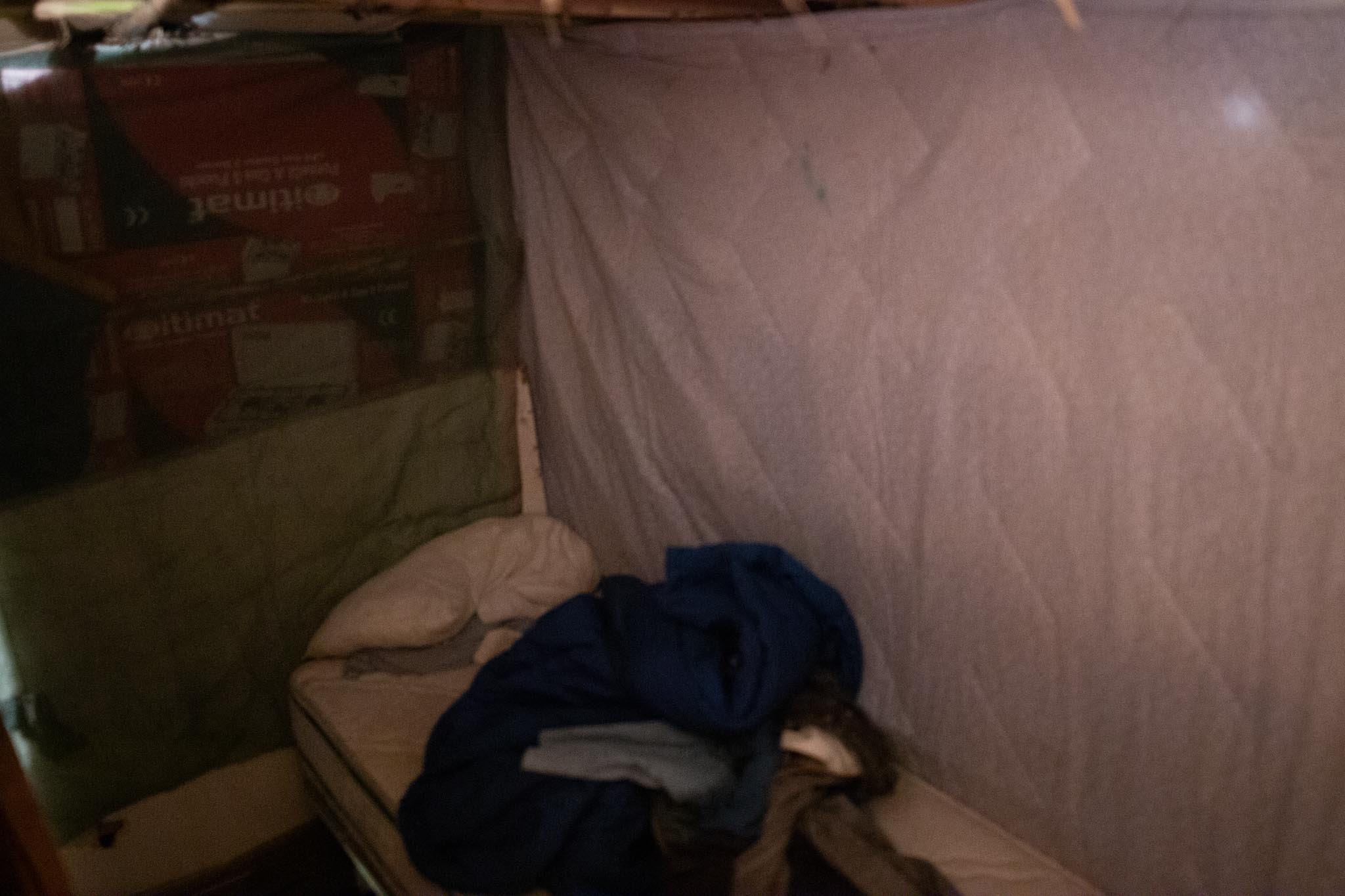
Living conditions inside the camp were described by multiple sources as extremely precarious—often unworthy and dangerous.
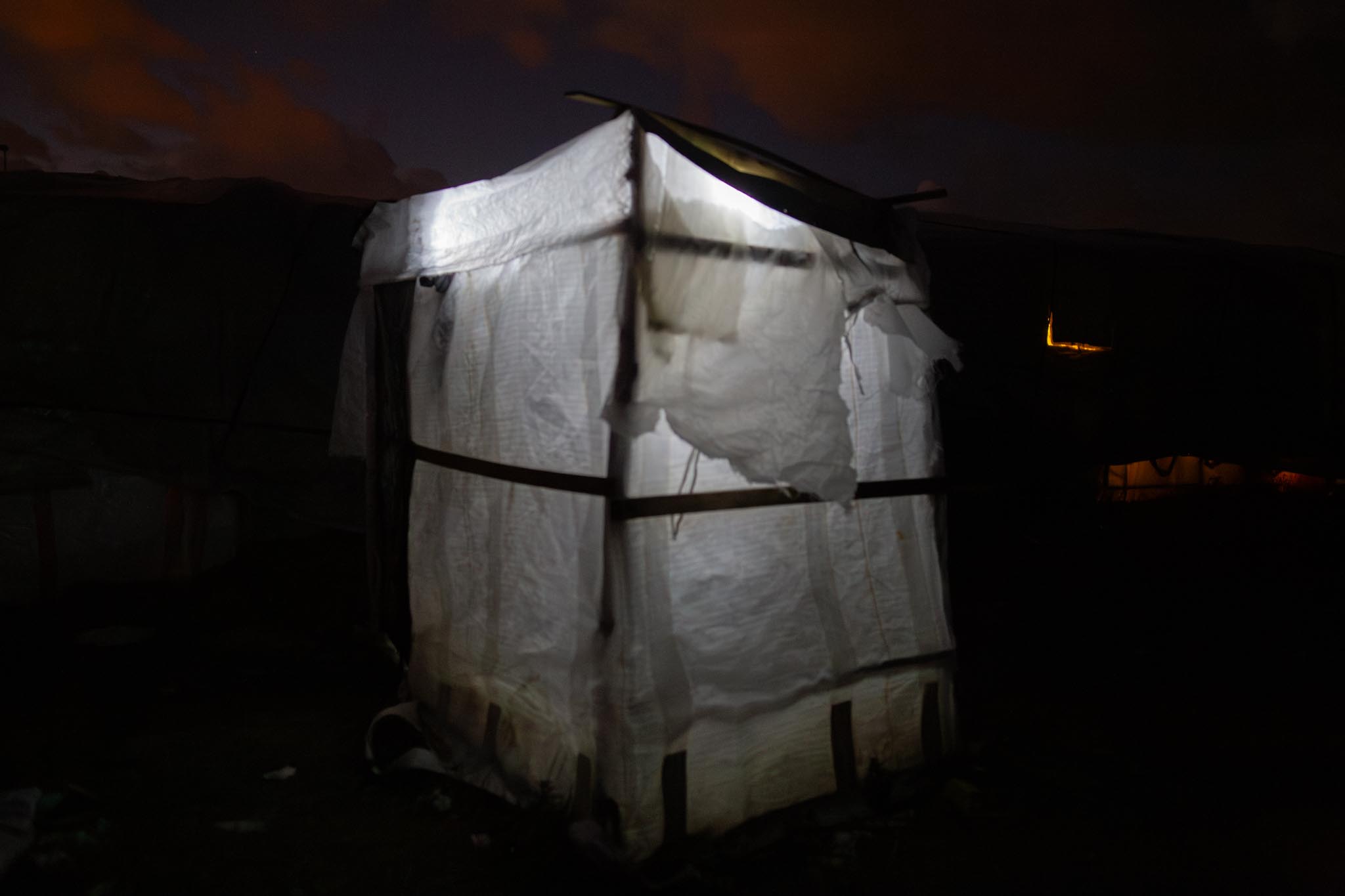
The settlement was initially composed of makeshift shacks built with wood, plastic, metal sheets, and cardboard. Sanitation facilities were insufficient, clean water was scarce, and showers were virtually nonexistent.
Residents heated themselves with makeshift braziers or open fires lit inside the shacks, which led to numerous fires—some of them fatal.
Over the years, several fires occurred, and some people lost their lives, including the young Becky Moses, who died in the blaze that broke out on the night between January 27 and 28, 2018, and Sylla Noumo, who died on March 22, 2019.
The people living in the camp were practically isolated from the urban and social fabric. Migrants were often left without access to healthcare, except for the support provided by organizations such as Emergency, Medu (Doctors for Human Rights), Misericordia, and Il Cenacolo di Maropati.
The dire living conditions in the camp were frequently denounced by NGOs, activists, and journalists. However, despite numerous announcements by institutions about providing more dignified housing for migrants—such as hostels adapted from existing buildings and equipped with essential services—the camp remains active to this day.